Common Dog Behavior Issues and How to Address Them


Understanding Your Dog's Behavior
Dogs are wonderful companions, but like humans, they can exhibit behaviors that are challenging. Understanding these behaviors is the first step towards addressing them effectively. From excessive barking to destructive chewing, each behavior has its roots, and with patience and consistency, they can be managed.
Excessive Barking
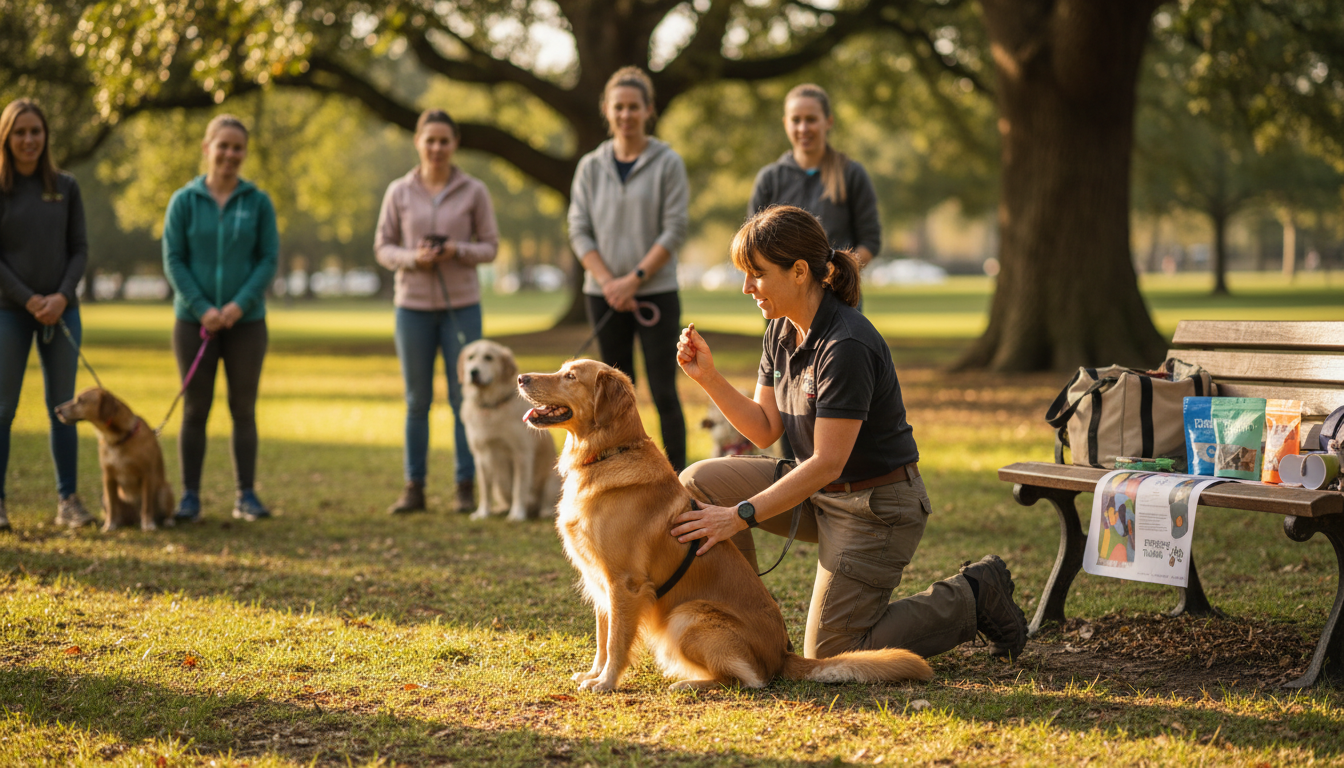
Barking is a natural form of communication for dogs, but it becomes an issue when it's excessive. Common triggers include boredom, anxiety, or the need for attention. To address this, identify the cause. If your dog is bored, ensure they have plenty of exercise and mental stimulation. Training techniques, such as teaching a "quiet" command, can be effective.
Destructive Chewing
Chewing is a common behavior, especially in puppies. However, when your dog chews furniture or shoes, it becomes a problem. This can be due to teething, boredom, or separation anxiety. Provide appropriate chew toys and engage your dog in interactive play. If anxiety is the cause, work on desensitizing your dog to your departures.

Separation Anxiety
Separation anxiety affects many dogs and can lead to destructive behavior. Symptoms include barking, whining, and chewing when left alone. To help your dog, start by leaving them alone for short periods and gradually increase the time apart. Create a positive association with your departure by offering a special toy or treat.
Aggression
Aggression in dogs can be directed toward humans or other animals and often stems from fear or lack of socialization. It's crucial to address aggression promptly. Consult a professional dog trainer or behaviorist for guidance. Socializing your dog from a young age and using positive reinforcement can help mitigate aggressive tendencies.
Jumping on People
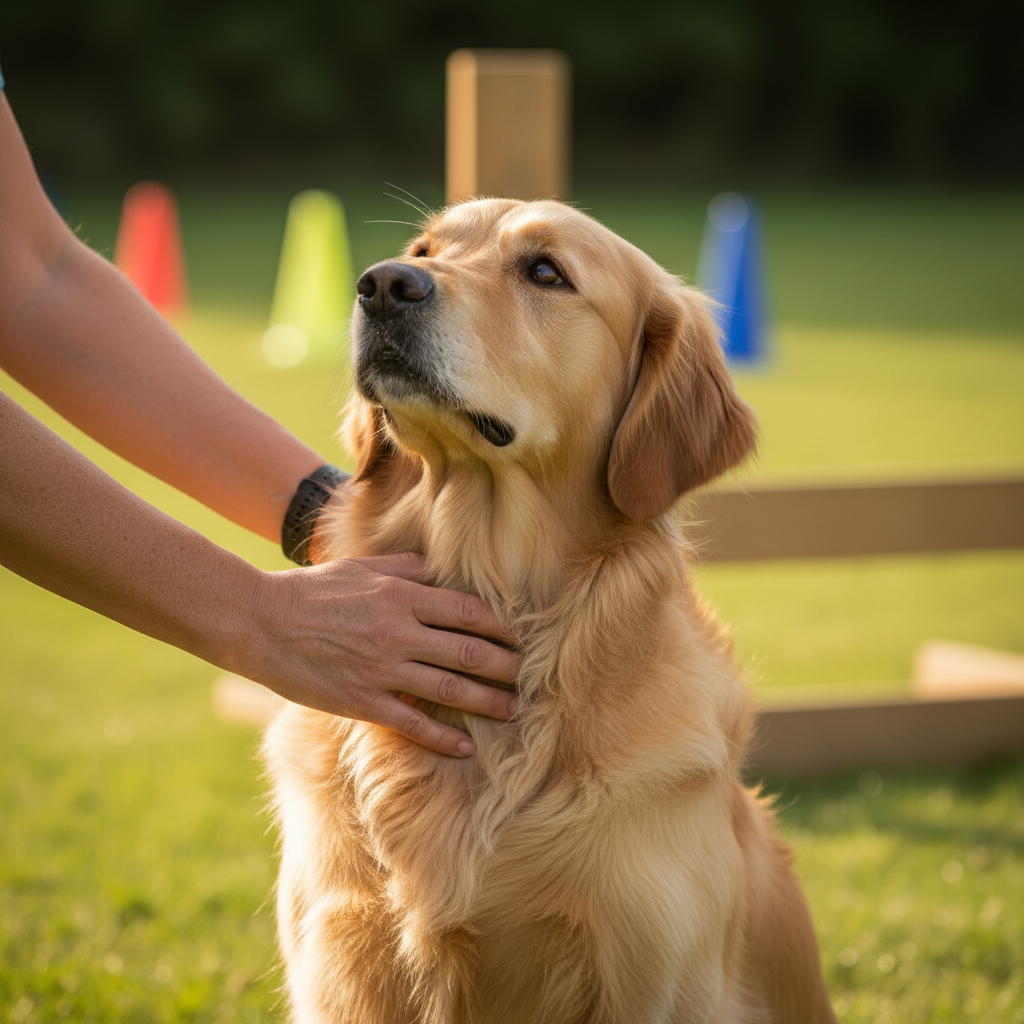
While many dogs jump to greet people, it can be overwhelming and even dangerous. This behavior is often driven by excitement. Teach your dog alternative ways to greet guests, such as sitting. Consistent training and rewarding calm behavior are key to curbing this habit.
Poor Recall
Having a reliable recall, or the ability to come when called, is essential for your dog's safety. Start training in a controlled environment with minimal distractions. Use high-value treats and a cheerful tone to encourage your dog to come to you. Gradually increase the level of distraction as your dog improves.
By understanding and addressing these common behavior issues, you can enhance the bond between you and your furry friend. Patience, consistency, and positive reinforcement are crucial components in resolving behavior problems, ensuring a harmonious life with your canine companion.