Common Misconceptions About Personal Protection Dogs: Debunked


Understanding Personal Protection Dogs
Personal protection dogs are often misunderstood. Many people believe these dogs are aggressive or dangerous, but the reality is quite different. These highly trained animals are loyal companions who provide both protection and love to their owners.
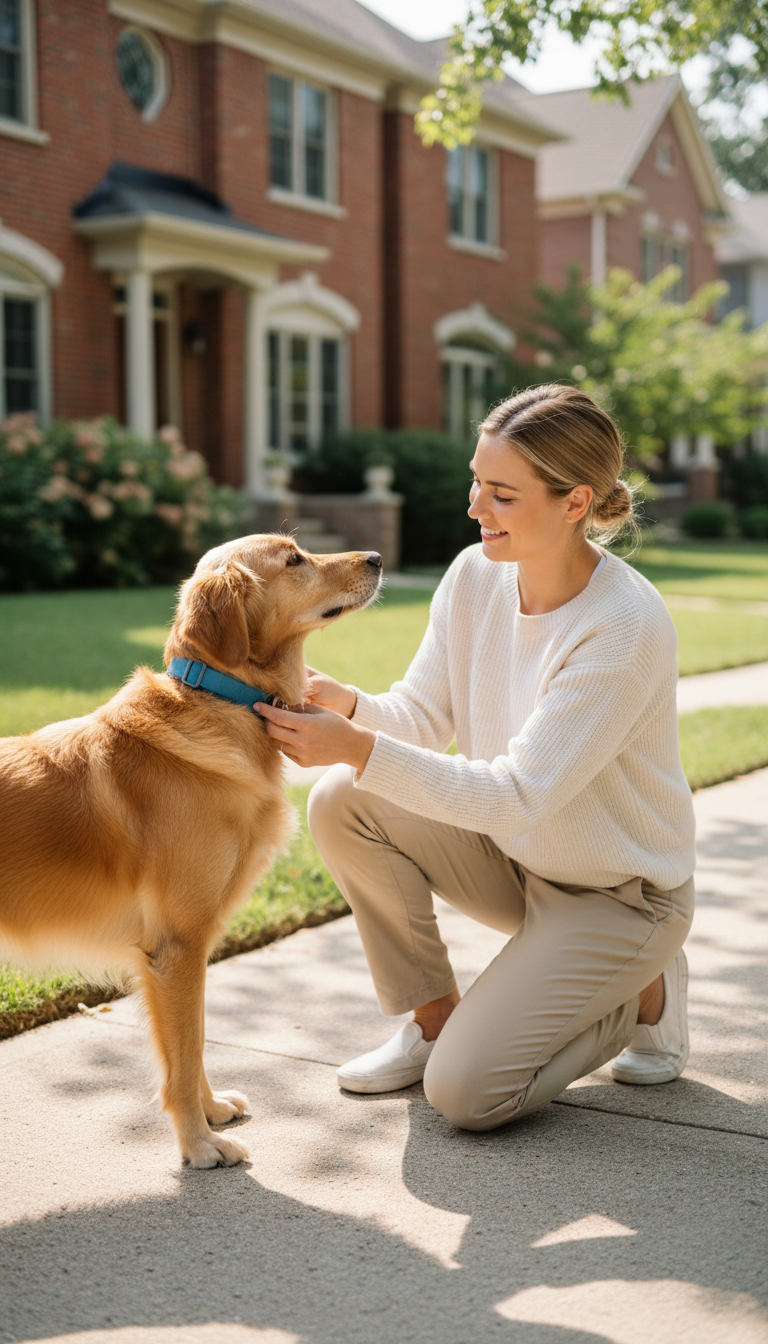
Myth 1: Personal Protection Dogs Are Aggressive
One common misconception is that personal protection dogs are inherently aggressive. In truth, they are trained to be calm and composed. They only react to threats when commanded or when they sense danger. This training ensures that they can differentiate between normal situations and those that require action.
Myth 2: Any Dog Can Be a Personal Protection Dog
Not every dog is suited to become a personal protection dog. These dogs require specific traits such as intelligence, loyalty, and a strong work ethic. Additionally, they undergo rigorous training to develop their protective abilities. Breeds like German Shepherds and Belgian Malinois are commonly used due to these characteristics.
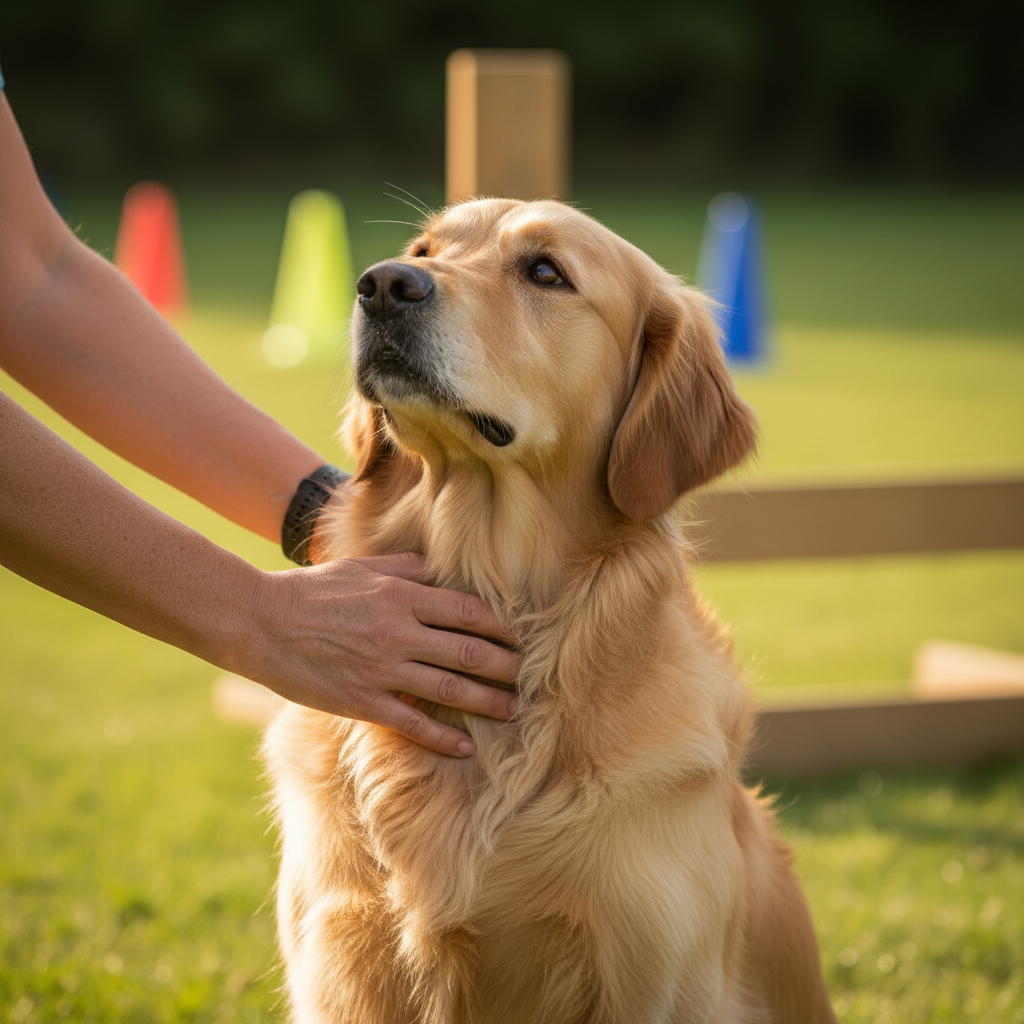
The Training Process
The training process for personal protection dogs is extensive. It involves obedience training, socialization, and protection exercises. Trainers work closely with the dogs to ensure they respond appropriately in various situations.
Myth 3: Personal Protection Dogs Cannot Be Family Pets
Another misconception is that these dogs cannot be part of a family. In reality, they are great family pets. They are trained to be gentle and protective, making them excellent companions for families with children. Their training ensures they can switch between being a protector and a loving pet.

Choosing the Right Dog
When considering a personal protection dog, it is crucial to choose the right one for your needs. Evaluate the dog’s temperament, training, and compatibility with your lifestyle. Consulting with experienced trainers can help you make an informed decision.
Myth 4: Personal Protection Dogs Are Not Social
Many believe personal protection dogs are not social and cannot interact with other dogs or people. This is not true. Their training includes socialization, allowing them to be friendly and well-behaved in public settings. They are trained to distinguish between friendly interactions and potential threats.
Conclusion
Personal protection dogs are remarkable animals that offer both safety and companionship. By debunking these common misconceptions, it becomes clear that they are not only protectors but also devoted family members. Understanding their true nature helps in appreciating the valuable role they play in many lives.