Debunking Dog Training Myths: What Active Owners Really Need to Know


Understanding Dog Training Myths
Dog training is essential for a harmonious relationship between you and your furry friend. However, numerous myths can cloud your understanding and approach to training. Let's explore these misconceptions and reveal what active dog owners really need to know.

Myth 1: You Can't Teach an Old Dog New Tricks
The age-old saying that you can't teach an old dog new tricks is simply not true. Dogs are capable of learning at any age. While puppies may absorb training quickly due to their energy and curiosity, older dogs can also learn new behaviors and commands with patience and consistency. Remember, age is not a barrier to learning.
Debunking Misconceptions About Training Methods
Another common myth is that you must be the "alpha" or "pack leader" to train your dog effectively. This outdated concept is based on wolf pack behavior and has been debunked by modern canine science. Instead, positive reinforcement is the most effective method, fostering trust and cooperation between you and your dog.

Myth 2: Certain Breeds Are Untrainable
It's a common belief that some dog breeds are inherently untrainable. While it's true that different breeds have varying traits and energy levels, no breed is untrainable. Tailoring your training approach to suit the specific needs and characteristics of your dog's breed can lead to success.
The Role of Consistency in Training
Consistency is crucial when training a dog, yet many believe that sporadic training will yield results. Dogs thrive on routine and repetition, and a consistent training schedule helps reinforce desired behaviors. Regular practice is key to solidifying your dog's understanding and response to commands.

Myth 3: Punishment Is Necessary for Effective Training
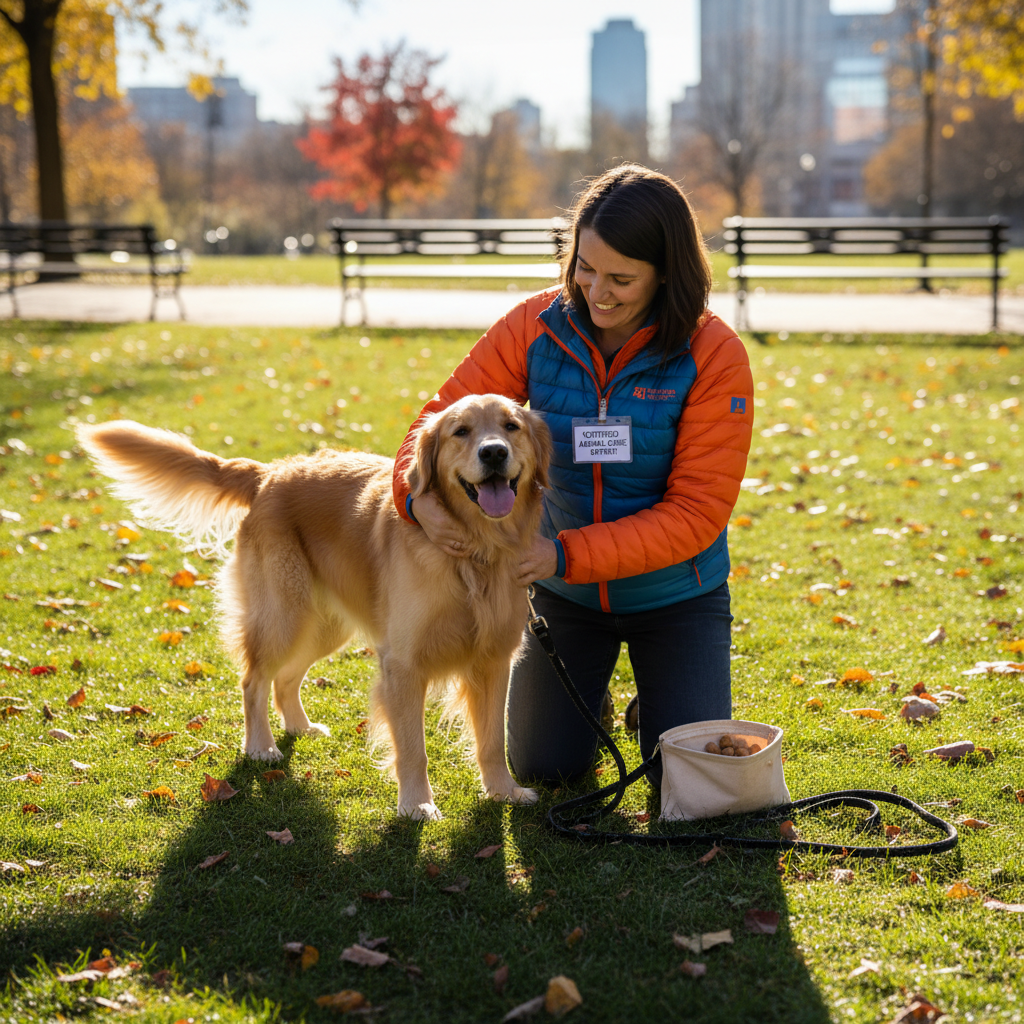
Some owners think that punishment is an essential part of training. However, using harsh methods can lead to fear and anxiety in dogs. Instead, focus on redirecting negative behaviors and rewarding positive actions. This approach not only builds a stronger bond but also encourages a more willing and happy participant in training sessions.
The Importance of Understanding Your Dog's Needs
Understanding your dog's individual needs and personality is crucial. Dogs are unique, with different motivations and preferences. By recognizing what drives your dog, whether it's treats, toys, or praise, you can tailor your training to be more effective and enjoyable for both of you.
Conclusion: Building a Stronger Bond Through Training
By debunking these common dog training myths, active owners can approach training with a clearer perspective and more effective strategies. Training is not just about discipline; it's about building a trusting and respectful relationship with your dog. Remember, patience and understanding are your greatest tools in this journey.