DIY Dog Training: Common Mistakes and How to Avoid Them


Understanding the Basics of DIY Dog Training
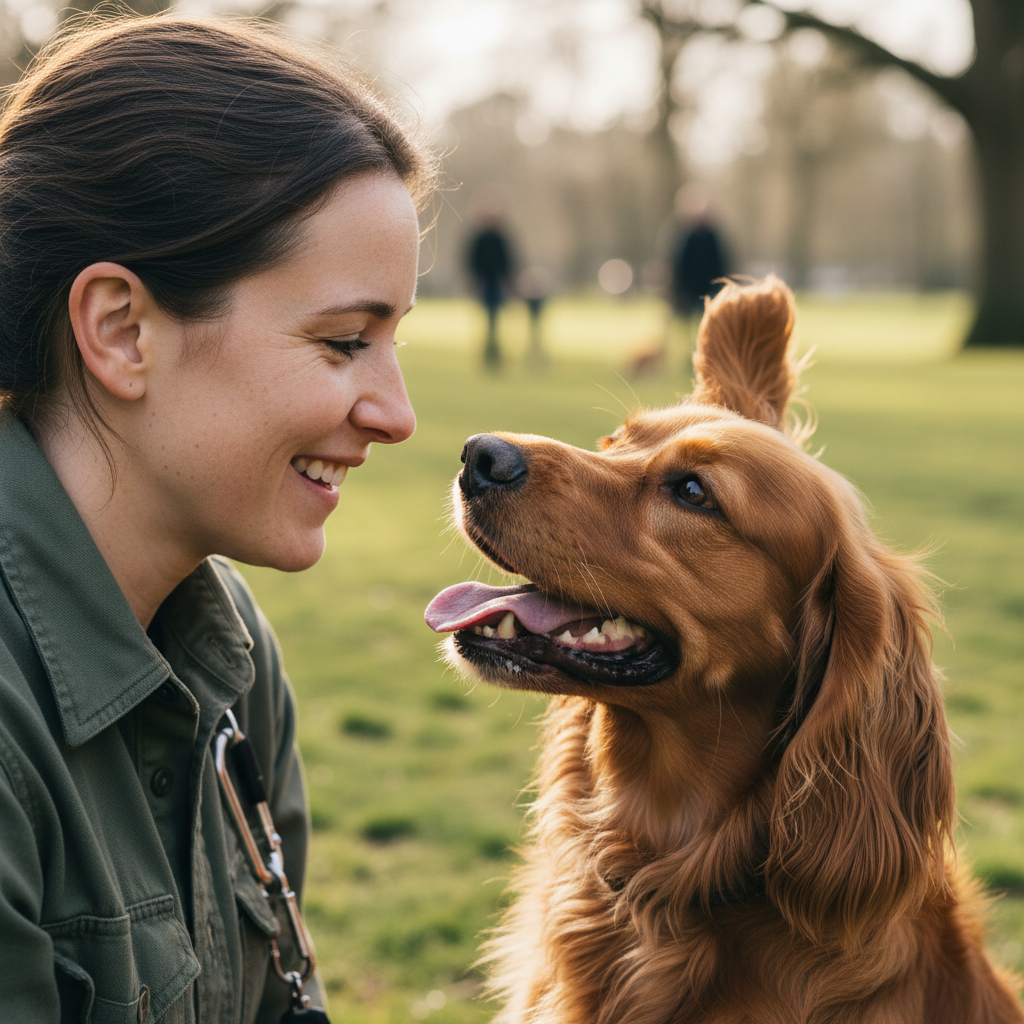
Training your dog at home can be a rewarding experience for both you and your furry friend. However, it’s essential to approach it with the right mindset and techniques. Many dog owners make common mistakes that can hinder progress or even create new behavioral issues.
Inconsistency in Commands
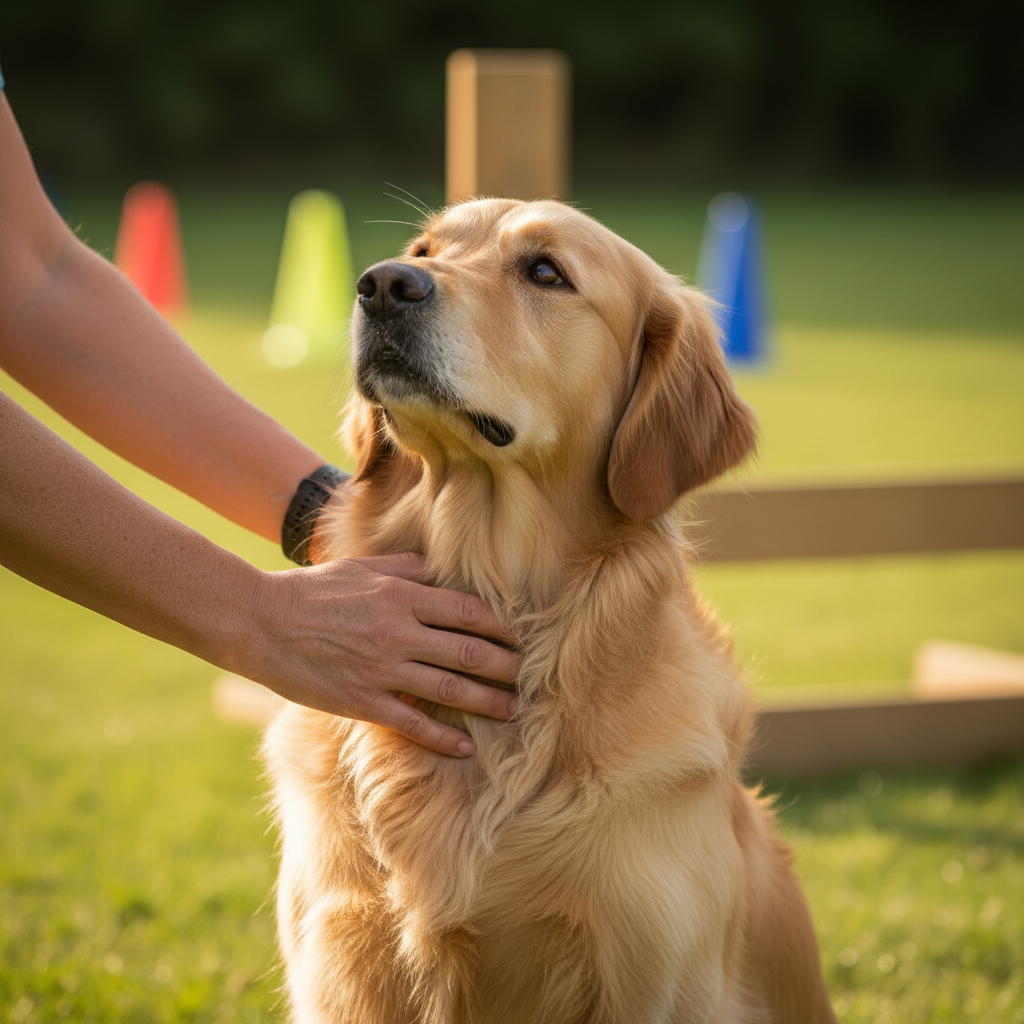
One of the most frequent mistakes in DIY dog training is inconsistency. Dogs thrive on routine and clear signals. If you use different words or tones for the same command, your dog may become confused.
- Stick to one word per command.
- Ensure everyone in the household uses the same commands.
- Maintain a consistent tone and volume.
Lack of Patience and Persistence
Training takes time, and expecting instant results can lead to frustration. Dogs need time to understand and internalize new behaviors. Patience and persistence are key.
Set realistic goals and celebrate small victories. Remember, progress can be slow, but consistency will pay off in the long run.
Ignoring Positive Reinforcement
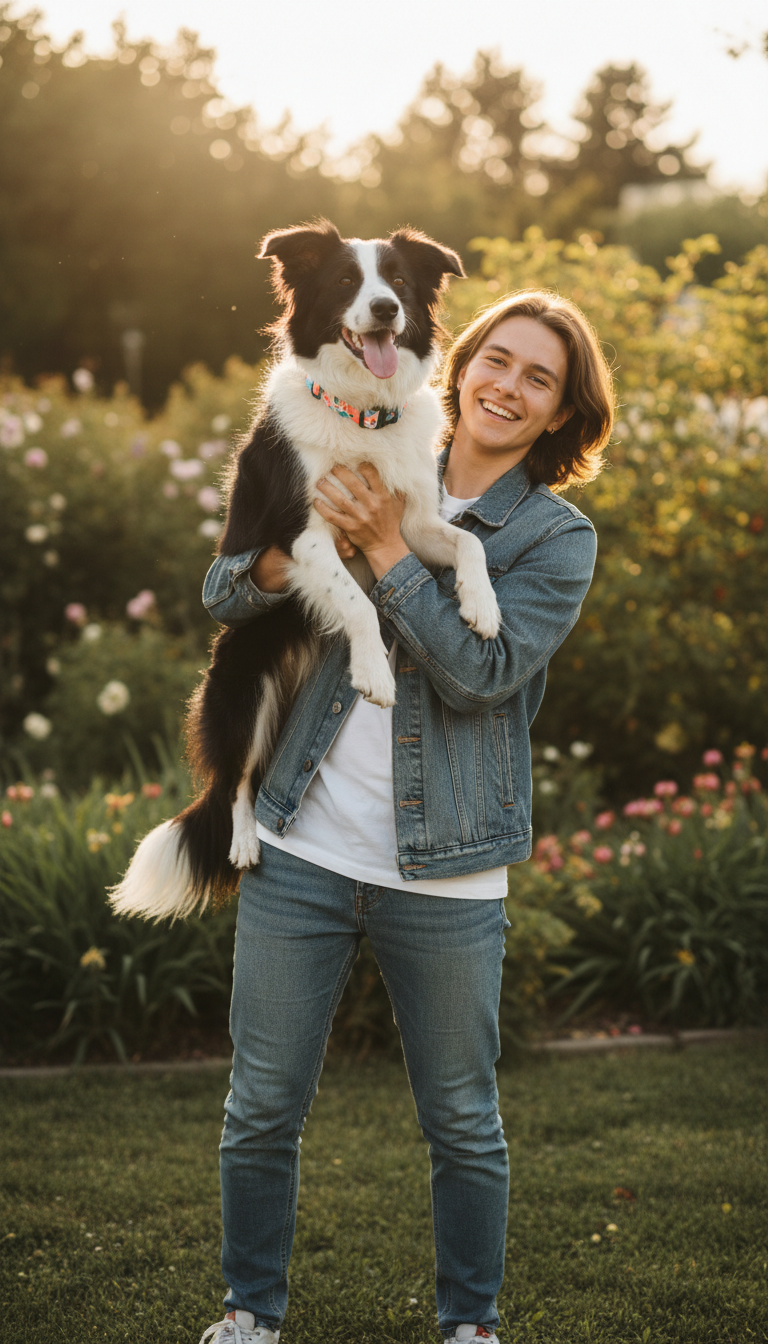
Positive reinforcement is one of the most effective training tools. This means rewarding your dog for good behavior, which encourages them to repeat it. Some owners overlook this critical step.
Use treats, praise, or playtime as rewards. The reinforcement should be immediate to ensure your dog associates the reward with the desired behavior.
Overlooking Socialization
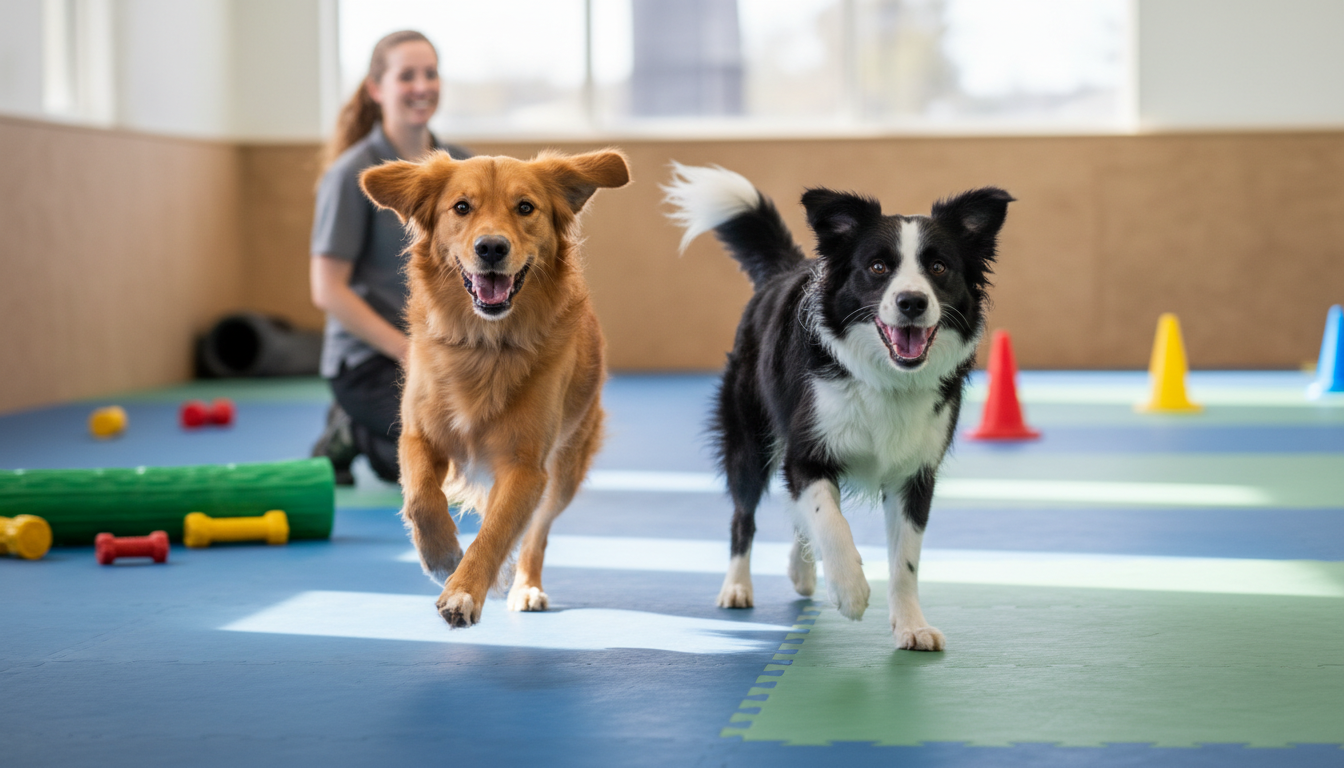
Socialization is a vital part of dog training that is often underestimated. Exposing your dog to different environments, people, and other animals helps reduce fear and aggression.
- Introduce your dog to a variety of settings.
- Encourage interactions with other dogs and humans.
- Monitor their reactions and provide reassurance as needed.
Underestimating the Power of Body Language
Dogs are highly attuned to body language. Your posture, gestures, and facial expressions all communicate messages to your dog. Being aware of this can significantly enhance your training efforts.
Ensure your body language is calm and assertive. Avoid aggressive gestures, which can scare or confuse your dog.
Conclusion: Setting You and Your Dog Up for Success
DIY dog training can be a fulfilling journey when done correctly. By avoiding these common mistakes and focusing on consistency, patience, positive reinforcement, socialization, and body language, you can foster a strong bond and well-behaved companion.
Remember, every dog is unique, and what works for one may not work for another. Stay flexible and open to adjusting your approach as needed.