Expert Tips on Behavioral Dog Training: Insights from Bennett's Leading Trainers


Training your dog is an essential part of fostering a strong, healthy relationship. At Bennett's, our leading trainers emphasize the importance of understanding canine behavior to effectively guide your furry friend. Let's explore some expert tips on behavioral dog training.
Understanding Canine Psychology
Before diving into specific training techniques, it's crucial to understand how dogs think. Dogs are pack animals, meaning they thrive within a structured environment. Establishing yourself as the pack leader builds trust and respect. This foundation is vital for effective training.

Recognizing common behaviors such as barking, chewing, or digging allows you to address the root cause rather than just the symptoms. This insight helps in formulating a training plan that caters to your dog's needs.
Positive Reinforcement Techniques
Many trainers advocate for positive reinforcement, a method that rewards desired behavior with treats or praise. This approach not only strengthens the bond between you and your dog but also makes learning enjoyable for them. Consistency and timing are key; reward your dog immediately after they perform the desired action.
It's important to gradually phase out treats as your dog becomes more accustomed to following commands, replacing them with verbal praise or affection. This transition helps maintain the behavior without relying solely on treats.
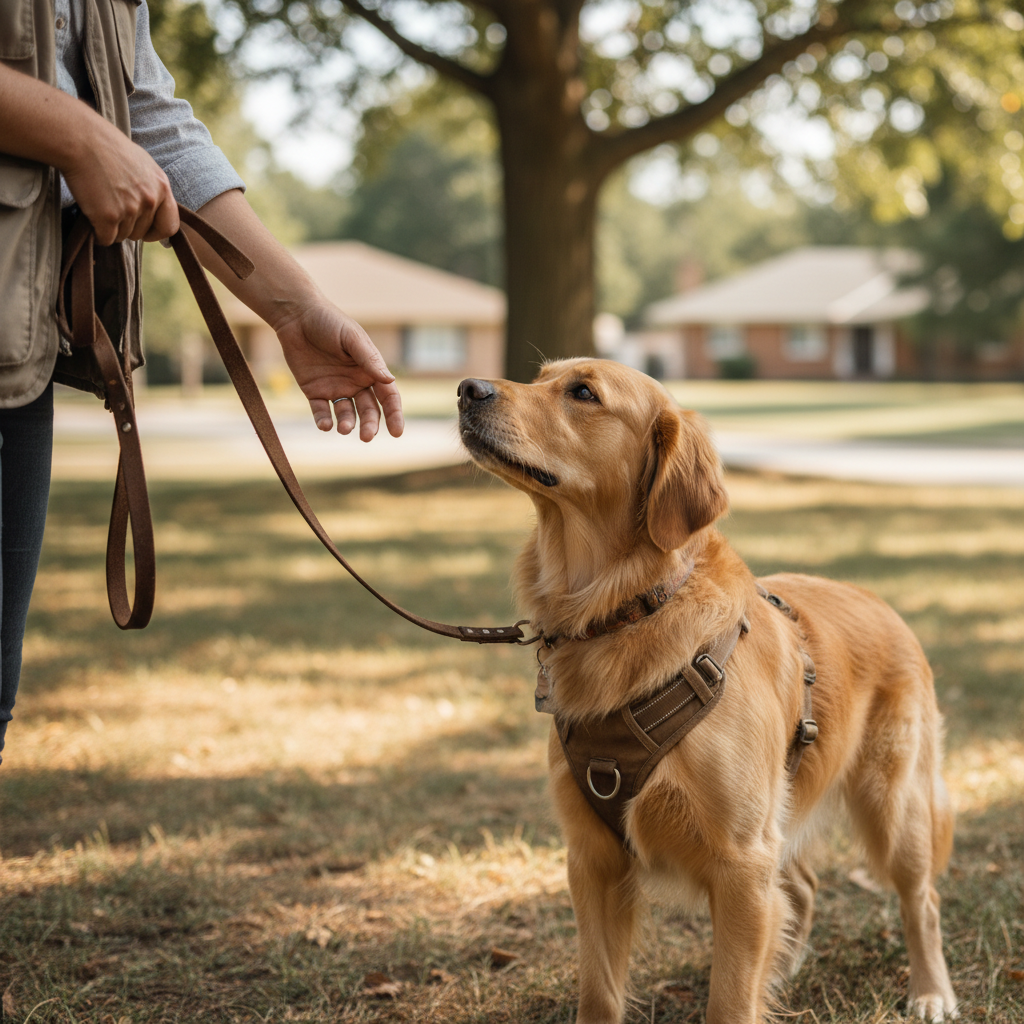
Addressing Behavioral Issues
Behavioral issues such as aggression or separation anxiety require patience and understanding. Identify triggers and work on desensitizing your dog to these stimuli. For instance, if your dog is anxious when left alone, practice short departures and gradually increase the time apart.
Professional trainers often recommend enrichment activities to keep your dog mentally stimulated. Puzzle toys or interactive games can redirect negative behavior into positive outlets.
Socialization and Exposure
Socialization is a critical component of behavioral training. Exposing your dog to various environments, people, and other animals helps them become well-adjusted and confident. Start with controlled settings and gradually introduce more complex scenarios.
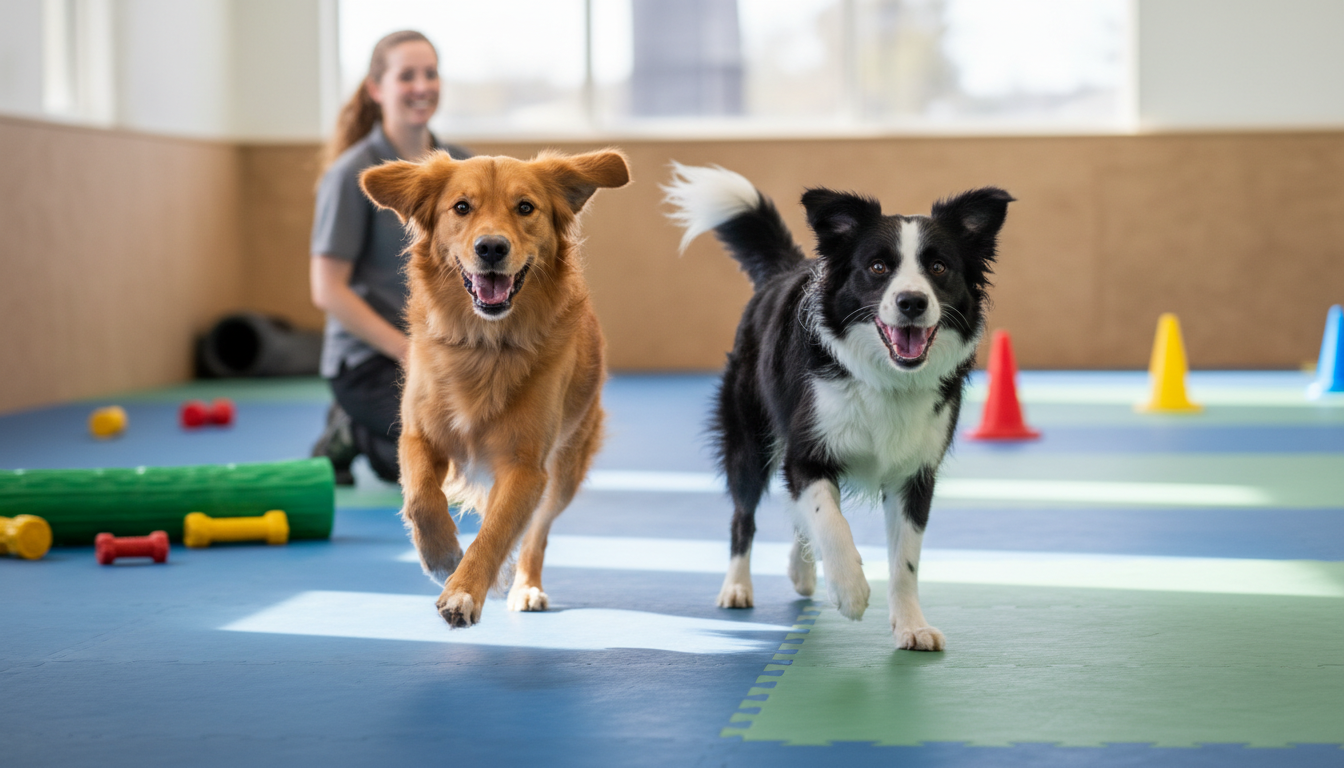
Regularly visiting dog parks or arranging playdates can provide valuable social experiences. These interactions teach your dog how to behave appropriately in different situations.
Consistency and Patience
Consistency is the cornerstone of successful behavioral training. Dogs learn through repetition, so maintaining a regular training schedule is essential. Keep sessions short and engaging to hold your dog's attention.
Training is a journey that requires patience. Progress may be slow, but persistence pays off. Celebrate small victories and remain positive throughout the process.
When to Seek Professional Help
While many training techniques can be implemented at home, some behaviors may require professional intervention. If you're struggling with persistent issues, consulting a certified dog trainer can provide tailored solutions.
At Bennett's, our trainers are equipped with the expertise to address complex behavioral challenges, offering personalized guidance to ensure your dog's success.