Exploring the Latest Trends in Dog Training Techniques


Understanding Modern Dog Training
Dog training has evolved significantly over the years, with new techniques focusing on positive reinforcement and understanding canine behavior. These modern approaches are designed to build a stronger bond between dogs and their owners, ensuring a harmonious relationship. Let's explore some of the latest trends in dog training that are reshaping the way we interact with our furry friends.
Positive Reinforcement
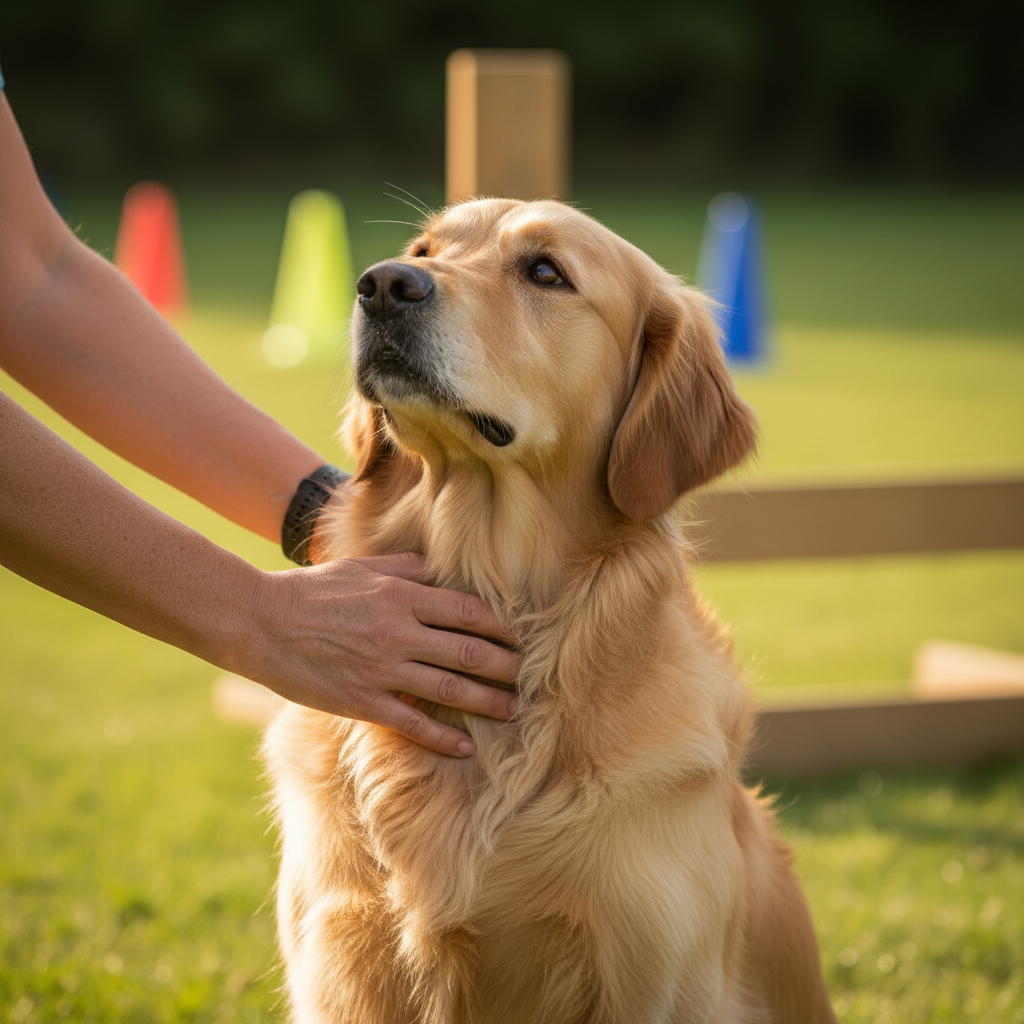
One of the most popular methods in modern dog training is positive reinforcement. This technique involves rewarding dogs for displaying desirable behaviors, encouraging them to repeat those actions. Treats, toys, and praise are commonly used to reinforce good behavior, making this method both effective and enjoyable for dogs and their owners.
Clicker Training
Clicker training has gained popularity as an effective way to teach dogs new commands. This method uses a small device that makes a clicking sound, which is paired with a reward. Over time, dogs learn to associate the click with a positive outcome, allowing them to quickly grasp new commands and tricks.

Incorporating Technology in Training
Technology is playing an increasingly important role in dog training. From smartphone apps to wearable devices, these tools are helping owners track their dog's progress and tailor training sessions to meet individual needs. Some apps even offer virtual training sessions, providing expert guidance without the need for in-person classes.
Virtual Training Sessions
Virtual training has become a convenient option for busy pet owners. These sessions connect experienced trainers with dog owners through video calls, offering personalized guidance and support. This flexibility allows for more consistent training, regardless of location or time constraints.
Understanding Canine Psychology
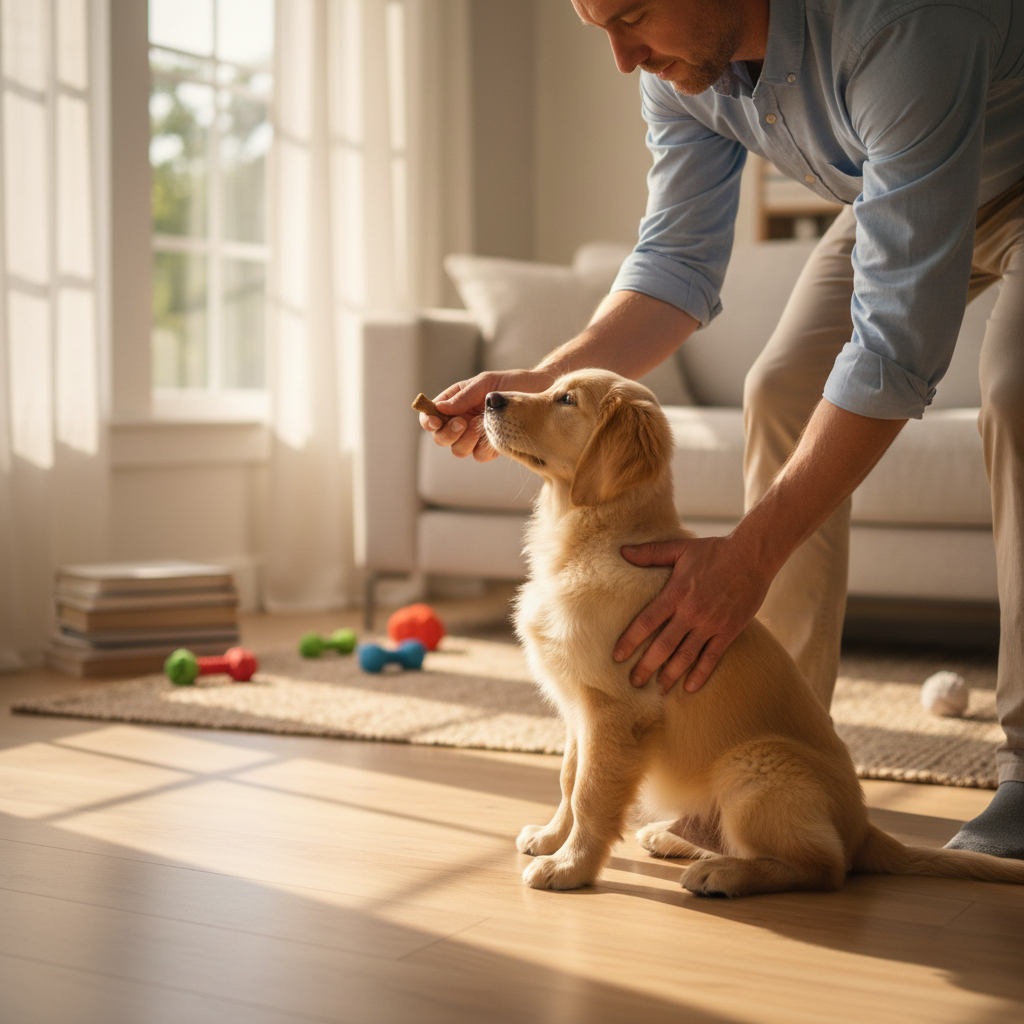
Modern training techniques are also focusing on understanding canine psychology. Trainers are emphasizing the importance of recognizing a dog's emotional state and adapting training methods accordingly. This approach helps in reducing anxiety and stress, making the learning process more effective.
Group Training Classes
Group classes are evolving to incorporate socialization, an essential part of a dog's development. These classes not only teach basic commands but also allow dogs to interact with others, improving their social skills and reducing behavioral issues.
Focus on Specific Skills
Many training programs are now offering specialized classes that focus on specific skills like agility, scent work, or therapy training. These classes cater to different interests and abilities, allowing dogs to excel in areas they enjoy while strengthening their bond with their owners.
In conclusion, the latest trends in dog training are centered around positive reinforcement, technological integration, and a deeper understanding of canine behavior. By embracing these methods, dog owners can enhance their pets' learning experience, leading to happier and well-adjusted companions.