From Breweries to Parks: How to Raise a Well-Behaved Dog in Social Settings


Understanding Your Dog's Temperament
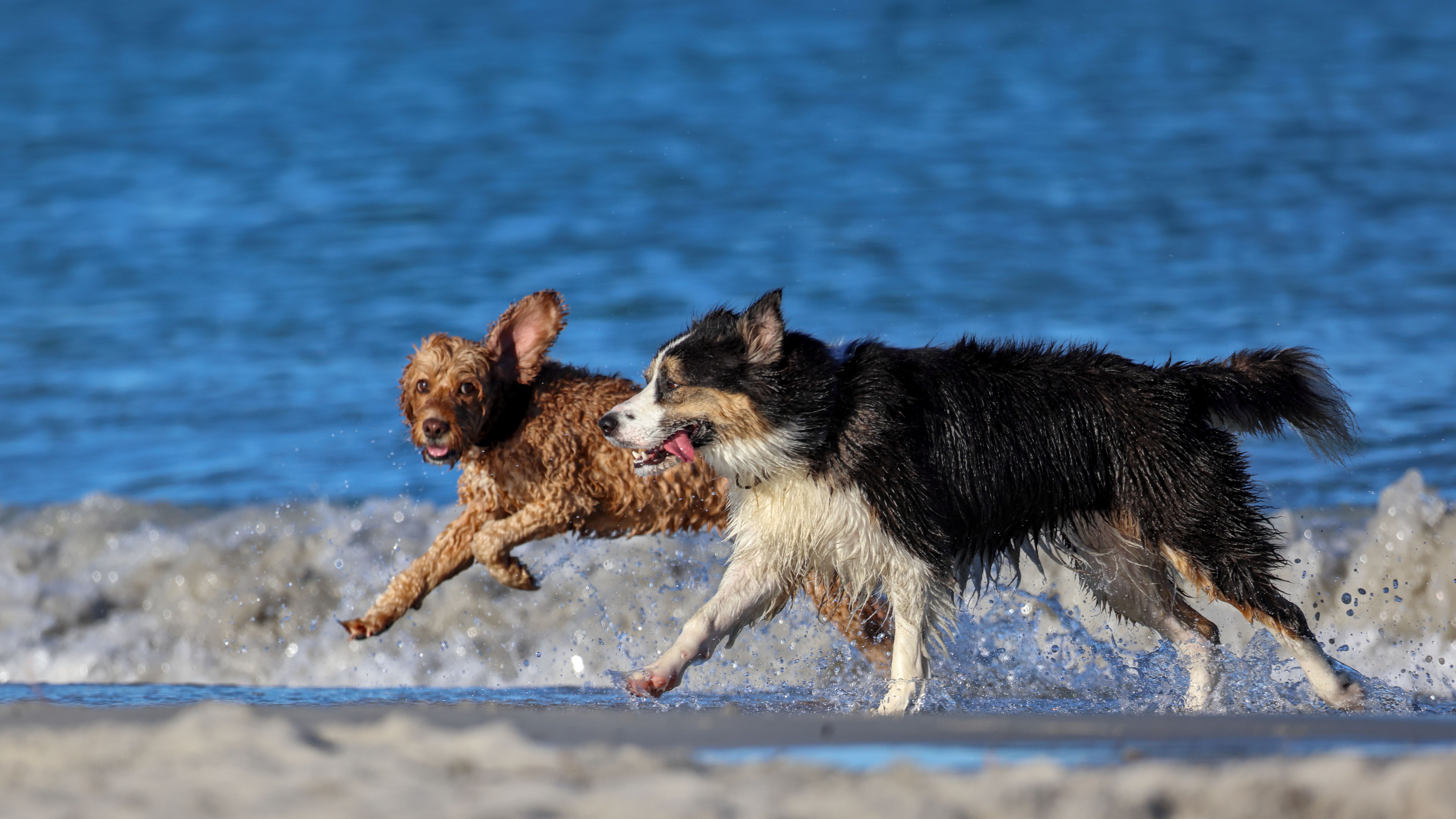
Raising a well-behaved dog in social settings begins with understanding your dog's temperament. Just like humans, dogs have diverse personalities that can influence how they react to new environments. Some dogs are naturally sociable and excited to meet new people and dogs, while others may be more reserved or anxious. Identifying your dog's personality traits is crucial in preparing them for different social settings.
Basic Obedience Training
Basic obedience training is the foundation of a well-behaved dog. Teaching commands such as "sit," "stay," "come," and "leave it" can greatly enhance your dog's ability to behave appropriately in social settings. Start with short training sessions at home, gradually increasing the level of distractions. This will help your dog focus on you, even in busy environments like parks or outdoor cafes.
Socialization is Key
Socialization involves exposing your dog to various environments, people, and other animals. This exposure should begin when your dog is a puppy, if possible, but can also be done with adult dogs. Gradual exposure to different settings helps reduce anxiety and improves their confidence. Socialization is not just about meeting other dogs; it's about acclimating to different sounds, sights, and smells.
Specific Strategies for Different Settings
Each social setting presents unique challenges and opportunities for your dog. Here are some strategies tailored for different environments:
Breweries and Cafes
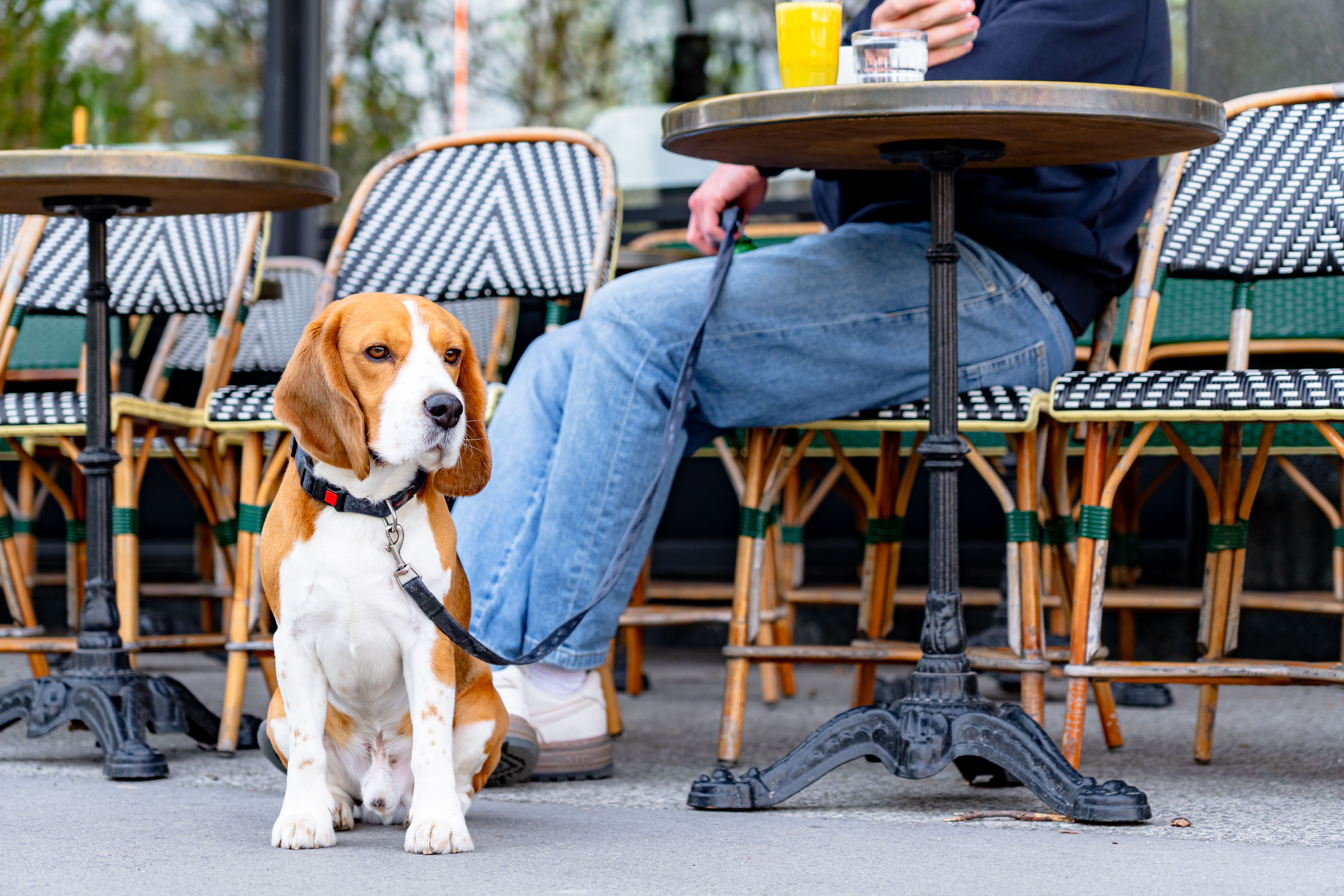
Breweries and cafes are popular destinations for dog owners. To ensure a pleasant experience for everyone, keep your dog on a short leash and bring a portable water bowl. Choose a quiet corner where your dog can comfortably settle down. If your dog gets restless, take a short walk to help them release some energy before returning to the table.
Parks and Open Spaces
Parks offer more space for your dog to explore. However, it's essential to maintain control to prevent any unwanted interactions with other dogs or park-goers. Use a long leash for more freedom while ensuring you can recall your dog when needed. Always clean up after your pet and respect local park rules regarding leash laws.
Dog-Friendly Events
Dog-friendly events like festivals or markets can be overwhelming due to the number of people and stimuli. Before attending, ensure your dog is comfortable with crowds and loud noises. Bring treats to reward calm behavior and be prepared to leave if your dog shows signs of stress. It's important to prioritize your dog's comfort over participation in any event.
Managing Unwanted Behavior
Even well-trained dogs can exhibit unwanted behavior in social settings. Common issues include jumping on people, barking excessively, or not coming when called. Address these behaviors with consistent training and positive reinforcement. Avoid punishing your dog, as this can increase anxiety and worsen the behavior.
Know When to Take a Break
Recognizing when your dog needs a break from social settings is vital. Signs of stress include excessive panting, yawning, or restlessness. If you notice these signs, it's time to remove your dog from the situation or allow them to rest in a quieter area. Regular breaks help prevent overstimulation and keep experiences positive for your pet.
Conclusion
Raising a well-behaved dog in social settings requires patience, understanding, and consistent training. By tailoring your approach to suit different environments and respecting your dog's limits, you can ensure enjoyable outings for both you and your furry friend. Remember, every positive experience contributes to a well-adjusted and confident companion.