Mastering Loose Leash Walking: A Step-by-Step Training Tutorial


Understanding Loose Leash Walking
Loose leash walking is an essential skill for every dog owner. It ensures that your walks are enjoyable and stress-free for both you and your furry friend. A dog that pulls on the leash can turn a pleasant outing into a frustrating battle of wills. Mastering this skill is not just about control; it's about building a harmonious relationship with your pet.
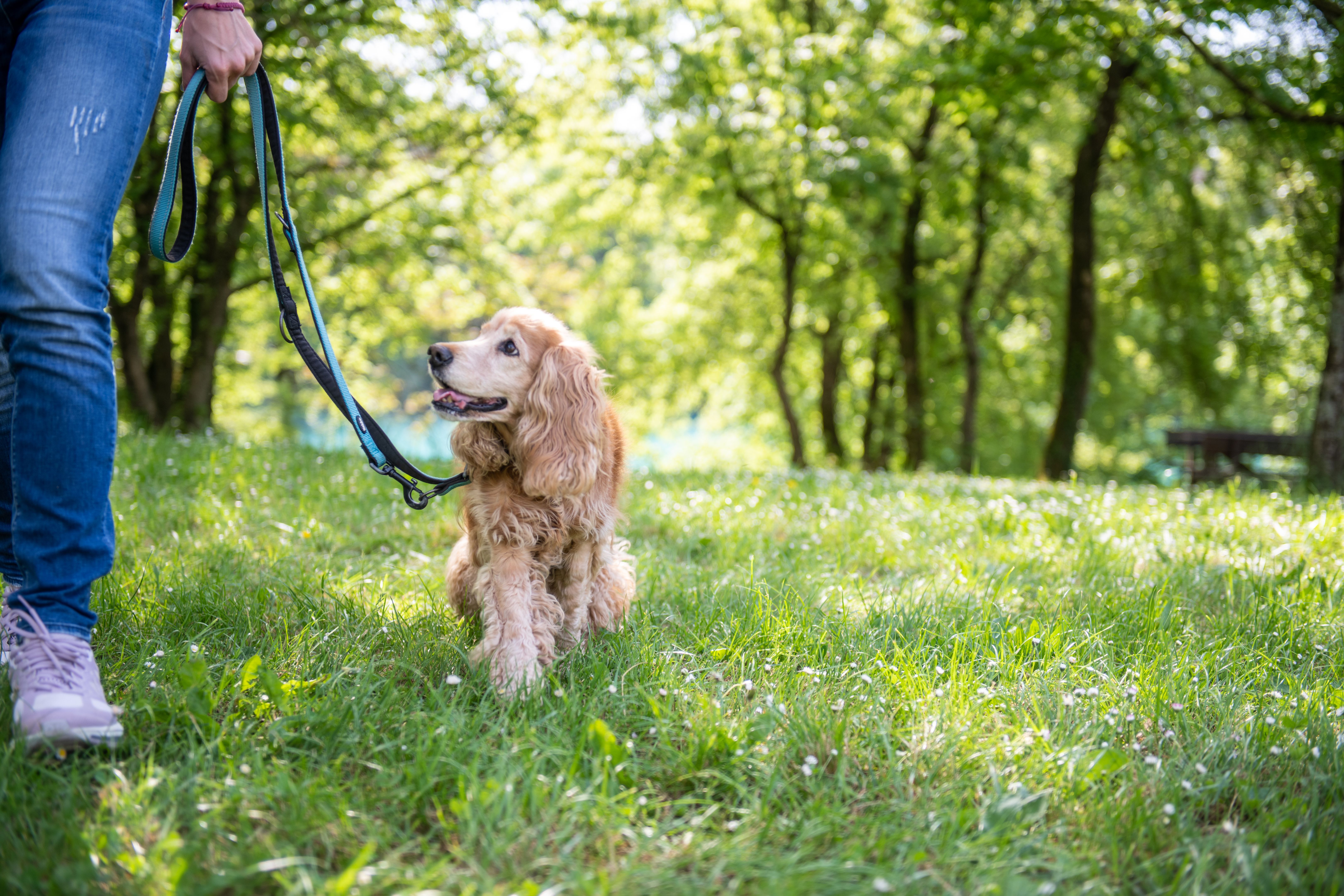
Why Loose Leash Walking Matters
Loose leash walking isn't just a convenience; it's crucial for your dog's safety and your peace of mind. A dog that pulls can dart into traffic or become entangled with other dogs. Moreover, constant pulling can lead to injuries for both you and your pet, making this training an important investment in your dog's well-being.
Teaching your dog to walk calmly on a leash also enhances your bond. It establishes you as the leader and helps your dog understand boundaries and discipline. This training is a foundation for other commands and behaviors, making it a cornerstone of a well-behaved pet.
Getting Started with Training
Before you begin, make sure you have the right equipment. A comfortable harness and a sturdy, non-retractable leash are essential. Start in a quiet, familiar environment where your dog feels at ease. The fewer distractions, the better your dog will focus on learning.
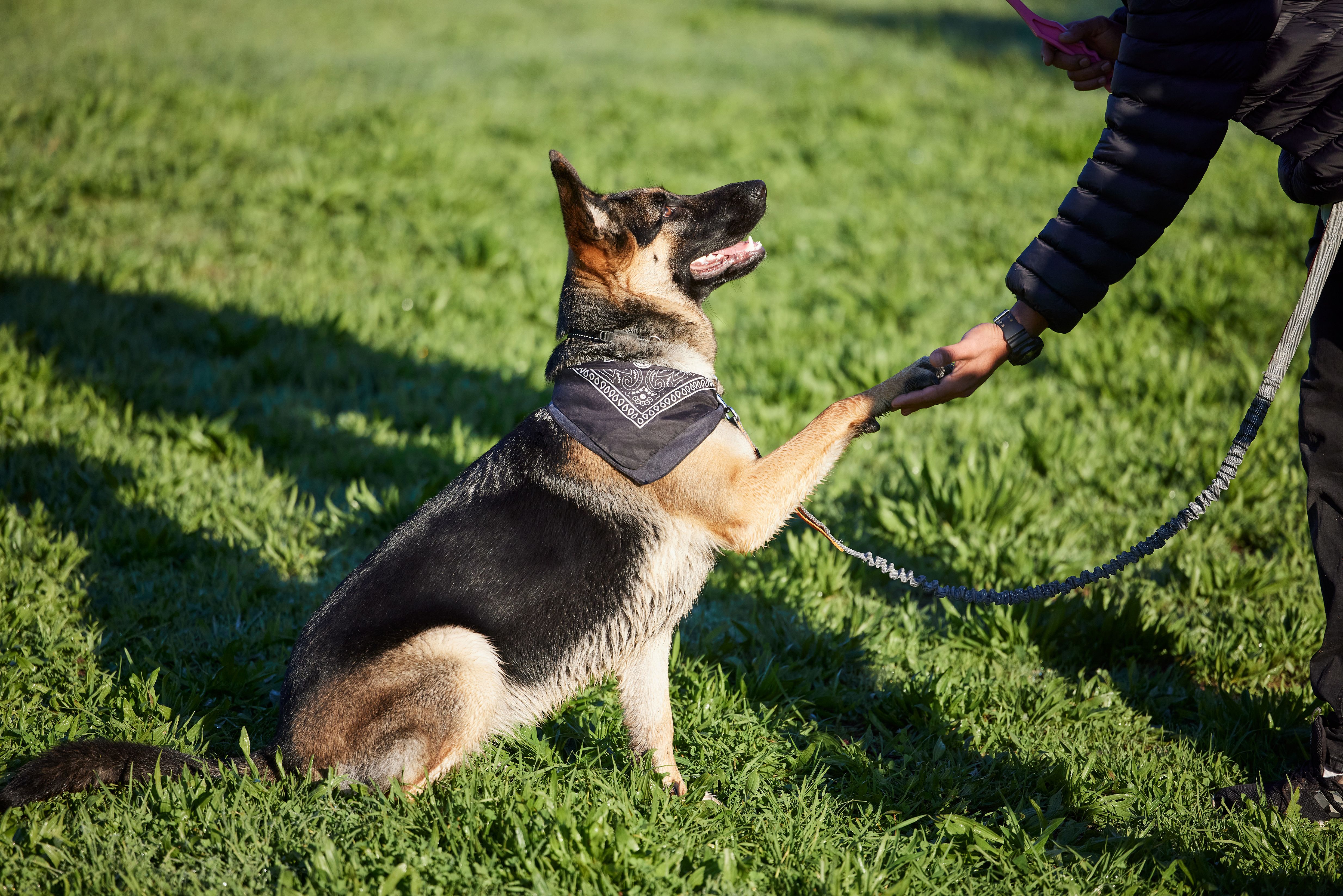
Step-by-Step Training Process
Follow these steps to teach your dog loose leash walking:
- Start with Short Sessions: Begin with brief training sessions of about 5-10 minutes to keep your dog engaged.
- Use Positive Reinforcement: Reward your dog with treats or praise when they walk beside you without pulling.
- Stop and Go: If your dog starts pulling, stop immediately. Wait for them to return to your side before continuing.
- Consistency is Key: Practice regularly to reinforce good behavior.
Handling Challenges
It's common to face challenges during training. Some dogs are naturally more energetic or curious, leading to pulling. In such cases, patience and persistence are crucial. If your dog gets distracted, use treats or toys to regain their attention.

If you're struggling, consider enrolling in a professional training class. Professional trainers can offer personalized guidance and techniques tailored to your dog's needs. They can also help address specific behavioral issues that might be hindering your progress.
Maintaining Progress
Once your dog has mastered loose leash walking, it's important to maintain this behavior. Continue to practice regularly and reinforce positive behaviors with rewards. As your dog becomes more reliable, you can gradually introduce new environments and challenges.
Remember that every dog is unique, and progress may vary. Celebrate small victories and remain patient. Over time, your efforts will lead to enjoyable walks and a stronger bond with your dog.