Mastering Off-Leash Dog Training: Tips for Success in Any Environment


Understanding Your Dog's Behavior
Before diving into off-leash training, it's crucial to understand your dog's behavior. Each dog has a unique temperament, and knowing this helps tailor your training approach. Some dogs are naturally more obedient, while others may have a strong prey drive that could lead them astray.

Building a Foundation with Basic Commands
Establishing a foundation with basic commands is essential for successful off-leash training. Commands like "sit," "stay," and "come" should be mastered. Use positive reinforcement techniques such as treats and praise to encourage your dog to respond quickly and reliably.
Choosing the Right Environment
Selecting a suitable environment is key when starting off-leash training. Begin in a controlled, fenced area where distractions are minimal. Gradually introduce more distractions as your dog becomes more confident and responsive.
Using Positive Reinforcement
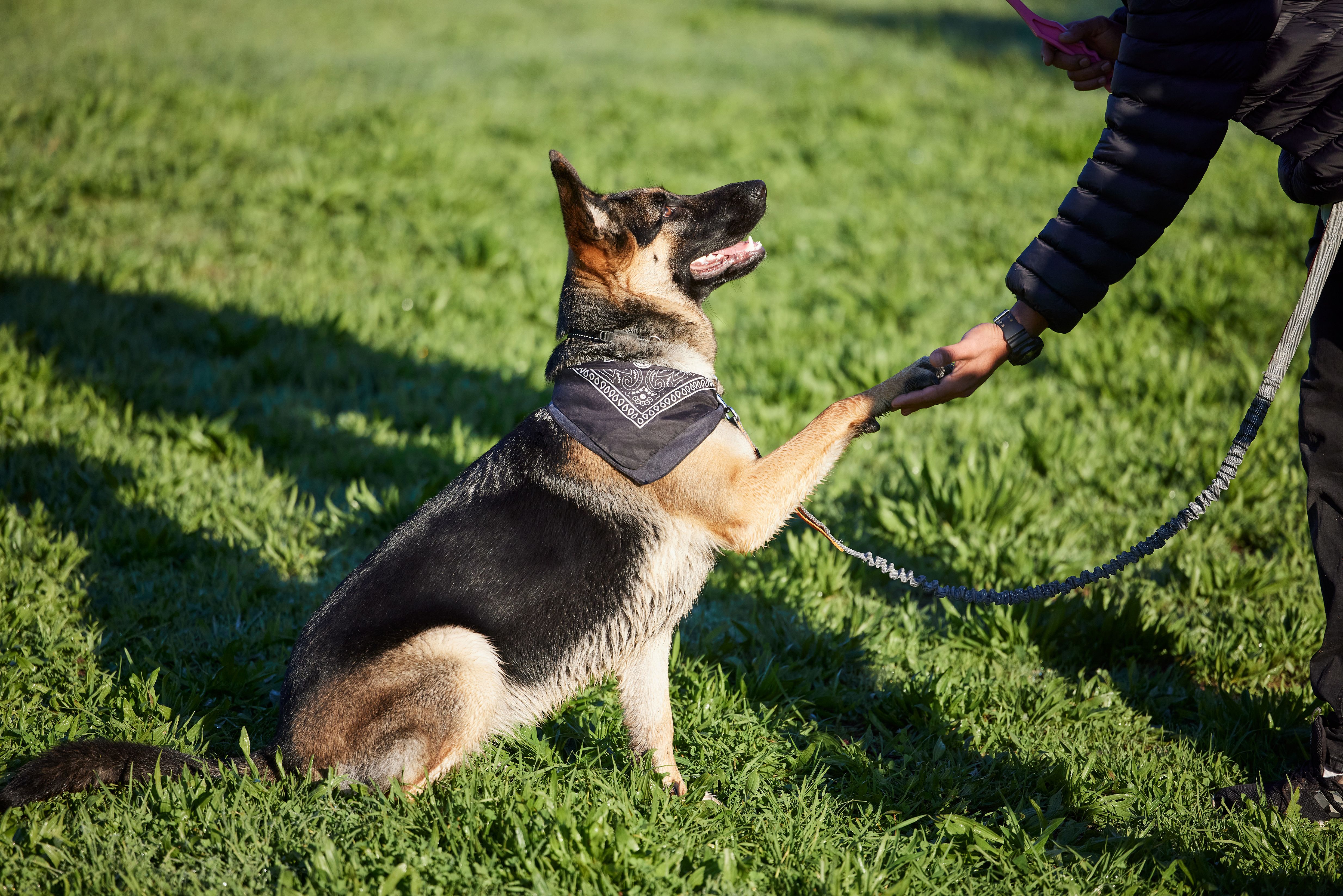
Positive reinforcement is a powerful tool in off-leash training. Reward your dog for good behavior with treats, toys, or affection. Consistent rewards create a strong association between obedience and positive outcomes, increasing your dog's motivation to listen.
Consistency is Key
Consistency in commands and rewards is crucial. Inconsistent training can confuse your dog and hinder progress. Ensure everyone involved in your dog's life uses the same commands and rewards to maintain clarity.

Introducing Distractions Gradually
Once your dog responds well in a controlled environment, gradually introduce distractions. Start with mild distractions like other people and work up to more tempting ones like other animals. This helps your dog learn to focus on you despite environmental challenges.
Practicing Patience and Persistence
Off-leash training requires patience and persistence. Progress may be slow, and setbacks can occur. Stay patient and continue practicing regularly. Remember, every dog learns at its own pace.
Ensuring Safety at All Times
Safety should always be a priority. Equip your dog with a GPS collar to track its location in case it wanders. Additionally, ensure your dog is microchipped and has up-to-date identification tags for added security.