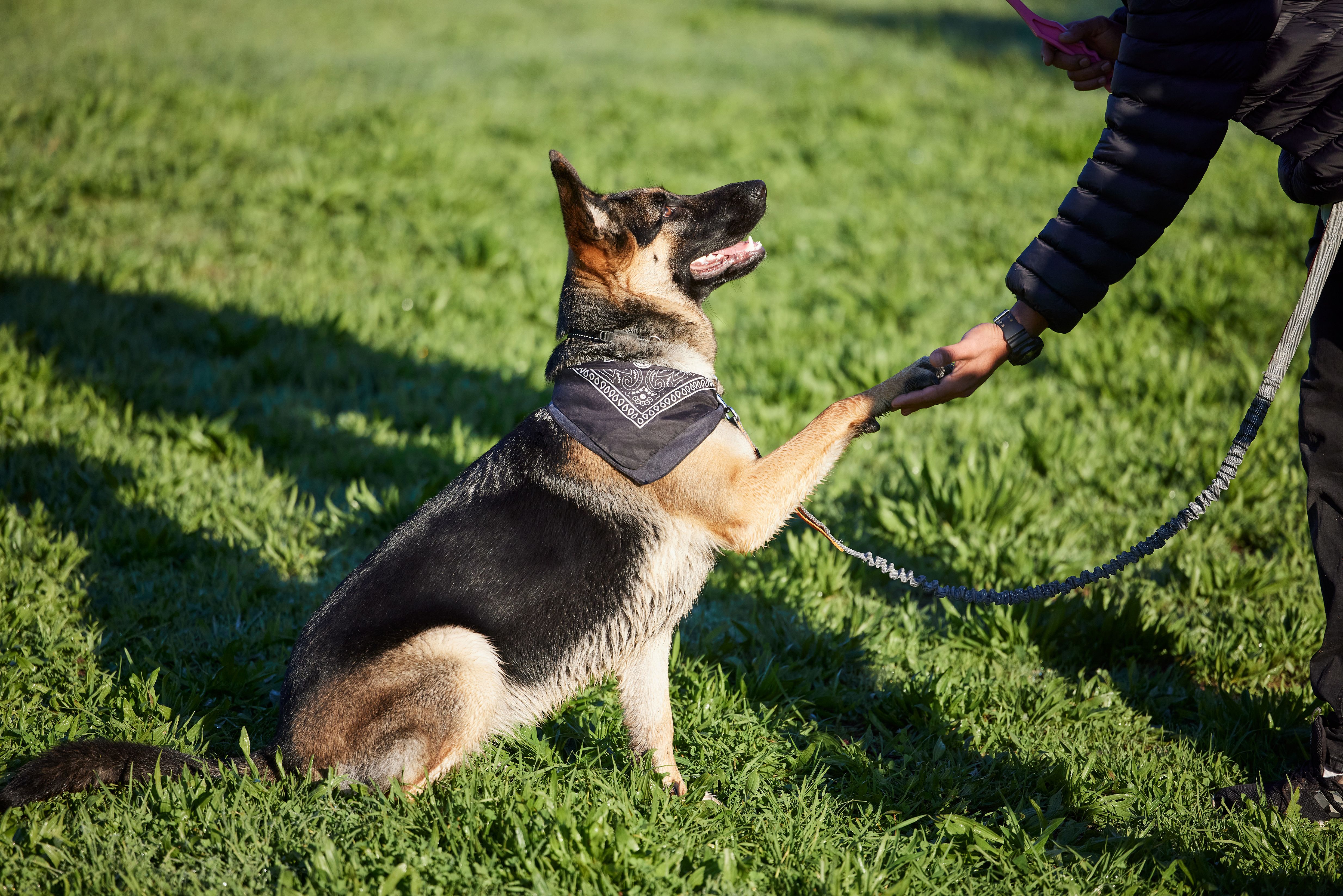
Personal Protection Dogs: Training for Safety and Confidence


Understanding Personal Protection Dogs
Personal protection dogs offer more than just companionship; they provide a unique blend of security and peace of mind. These specially trained dogs are capable of recognizing and reacting to threats, making them invaluable for personal safety. Unlike general pets, protection dogs undergo rigorous training to ensure they can handle various situations effectively.
Training a personal protection dog involves not only teaching them to guard and defend but also ensuring they remain calm and sociable in everyday environments. This balance is crucial for them to be both protectors and beloved family members.
The Training Process
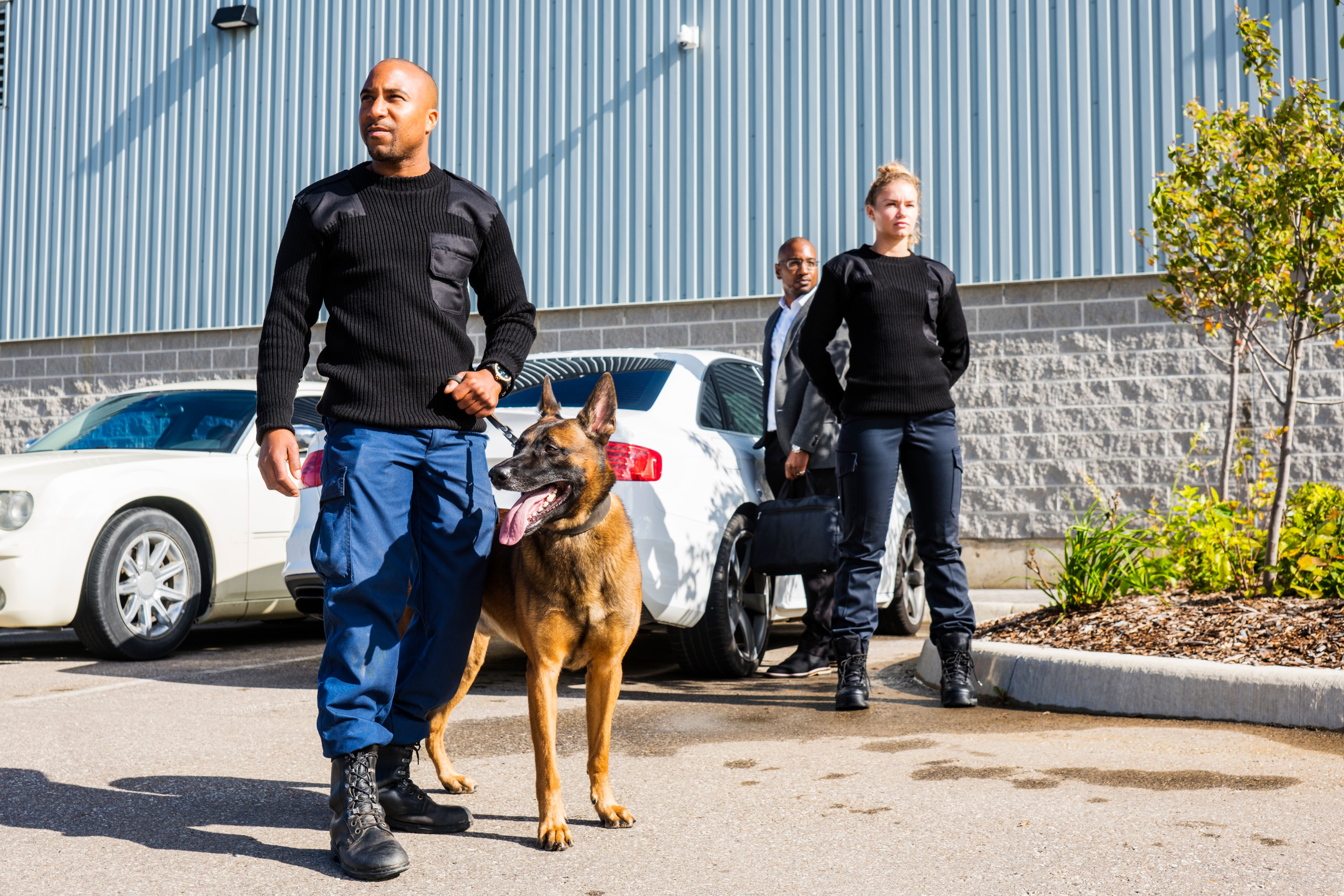
Training a protection dog is a meticulous process that starts from a young age. Puppies are selected based on their temperament, intelligence, and physical capabilities. The training includes basic obedience, advanced commands, and specific protection skills. This training ensures that the dog can accurately interpret threats and respond appropriately.
During training, dogs are taught to follow commands from their handler and to differentiate between normal and threatening behavior. This includes desensitization to loud noises and distractions, ensuring they remain focused on their task.
The Role of Handlers
The relationship between a handler and their protection dog is built on trust and communication. Handlers must be actively involved in the training, learning how to issue commands and understanding the dog's signals. This partnership ensures the dog's effectiveness and reliability in real-world situations.
Benefits of Personal Protection Dogs
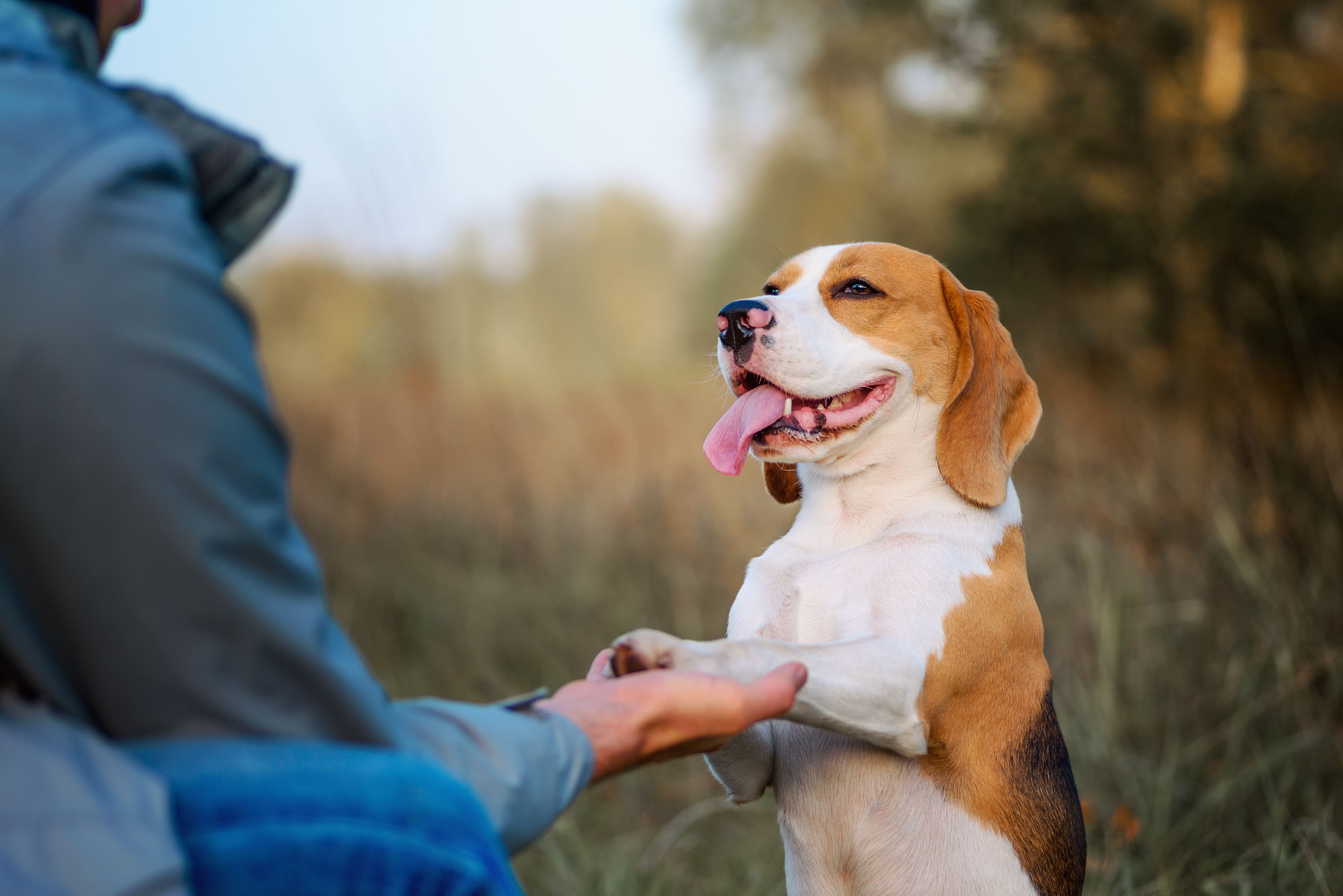
Having a personal protection dog offers numerous benefits beyond security. These dogs provide a sense of confidence and peace of mind, knowing that you have a loyal companion ready to protect you. They also serve as a deterrent to potential threats, as their presence alone can discourage criminal activity.
Moreover, these dogs can be a source of emotional support, offering companionship and reducing stress levels. Their dual role as protectors and companions makes them invaluable to their owners.
Choosing the Right Dog
Selecting the right personal protection dog is crucial. Factors such as breed, size, and temperament should be considered based on the owner's lifestyle and specific needs. Consulting with professional trainers and breeders can help in making an informed decision.
Popular breeds for protection work include German Shepherds, Belgian Malinois, and Rottweilers, each known for their protective instincts and trainability.
Maintaining Training and Bonding
Once a dog is trained, ongoing practice and reinforcement are essential to maintain their skills. Regular training sessions help keep the dog sharp and responsive, ensuring they remain effective in their role. Additionally, these sessions strengthen the bond between the dog and the handler.
Owners should also provide their dogs with regular exercise, socialization, and mental stimulation to ensure overall well-being. A well-rounded lifestyle contributes to the dog's happiness and effectiveness as a protector.
Conclusion
Personal protection dogs offer unparalleled security and companionship. Through dedicated training and a strong bond with their handlers, these dogs become reliable guardians. For those seeking both protection and a loyal friend, investing in a personal protection dog can be a life-changing decision.