Personalized Dog Training: Tailoring Techniques for Your Dog's Unique Needs


Understanding Your Dog's Unique Personality
Every dog is unique, with its own personality, preferences, and learning style. To create an effective training plan, it's essential to understand these individual traits. This approach not only makes training more efficient but also strengthens the bond between you and your furry friend.
Before starting any training regimen, observe your dog's behavior in different settings. Are they enthusiastic or more reserved? Do they respond well to treats, toys, or praise? Identifying what motivates your dog will help tailor a plan that resonates with them.
Setting Realistic Goals
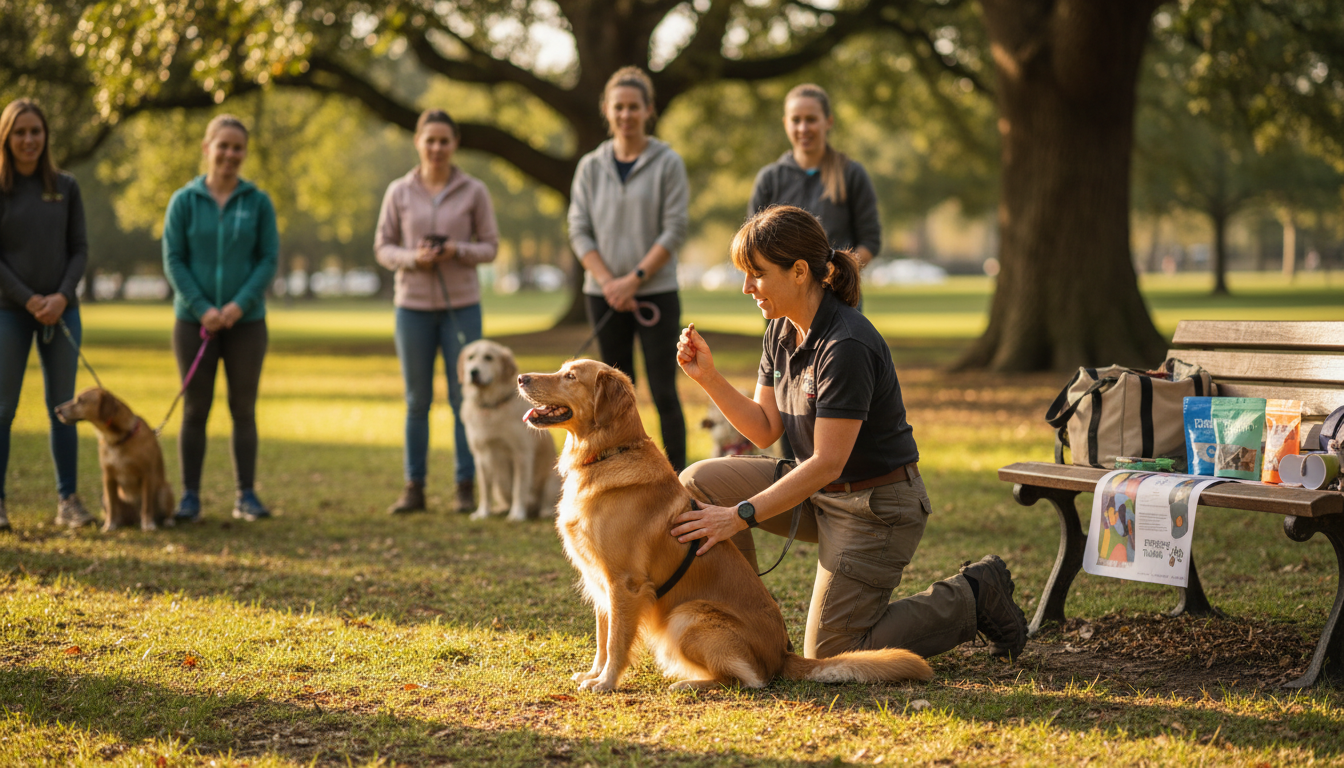
Once you've understood your dog's personality, the next step is to set realistic training goals. These should be achievable and specific. For instance, if your dog is shy, a goal might be to increase their confidence around strangers. Break down these goals into smaller, manageable tasks to ensure steady progress.
Remember, patience is key. Every dog learns at its own pace, and setting unrealistic expectations can lead to frustration for both you and your pet. Celebrate small victories along the way to keep the process enjoyable.
Customized Training Techniques
Personalized dog training involves utilizing techniques that cater to your dog's preferences and strengths. For example, if your dog is food-driven, incorporate treats into the training sessions. Conversely, if they love playtime, use toys as a reward.
Consistency is crucial in any training method. Ensure that everyone in the household follows the same commands and reward systems to avoid confusing your dog. This unified approach will help reinforce positive behavior more effectively.
Incorporating Fun and Variety
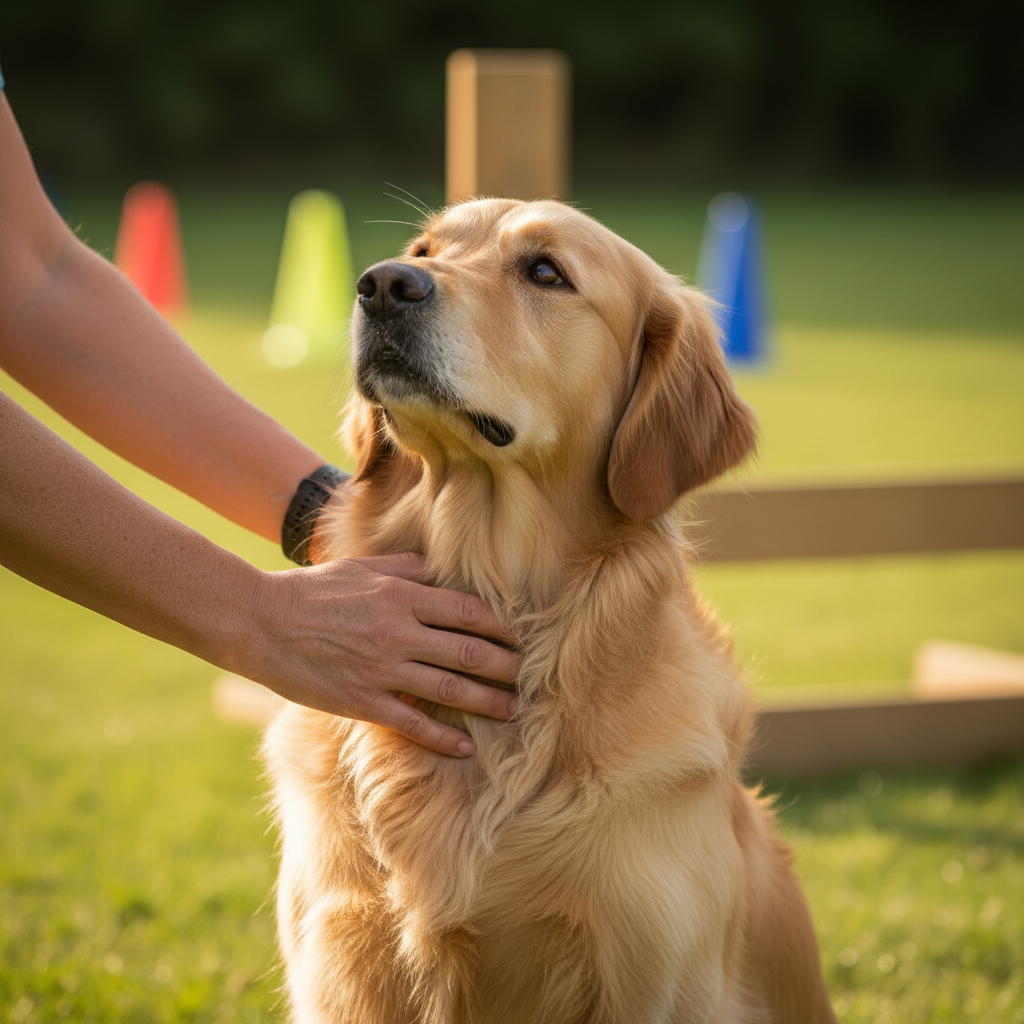
Training should never be a chore for your dog. Incorporating fun and variety into sessions can keep your dog engaged and eager to learn. Consider mixing different activities, such as agility exercises, scent games, or basic obedience drills.
Rotating these activities prevents monotony and challenges your dog in various ways, fostering both physical and mental stimulation. Remember, a happy dog is a motivated learner!
Adapting to Changing Needs
As your dog grows and evolves, so will their training needs. It's important to adapt your techniques to accommodate their changing abilities and interests. Regularly reassess your training plan and make necessary adjustments.
Stay open to trying new methods and tools that might suit your dog's current stage. Flexibility ensures that training remains effective and relevant throughout your dog’s life.
Seeking Professional Guidance
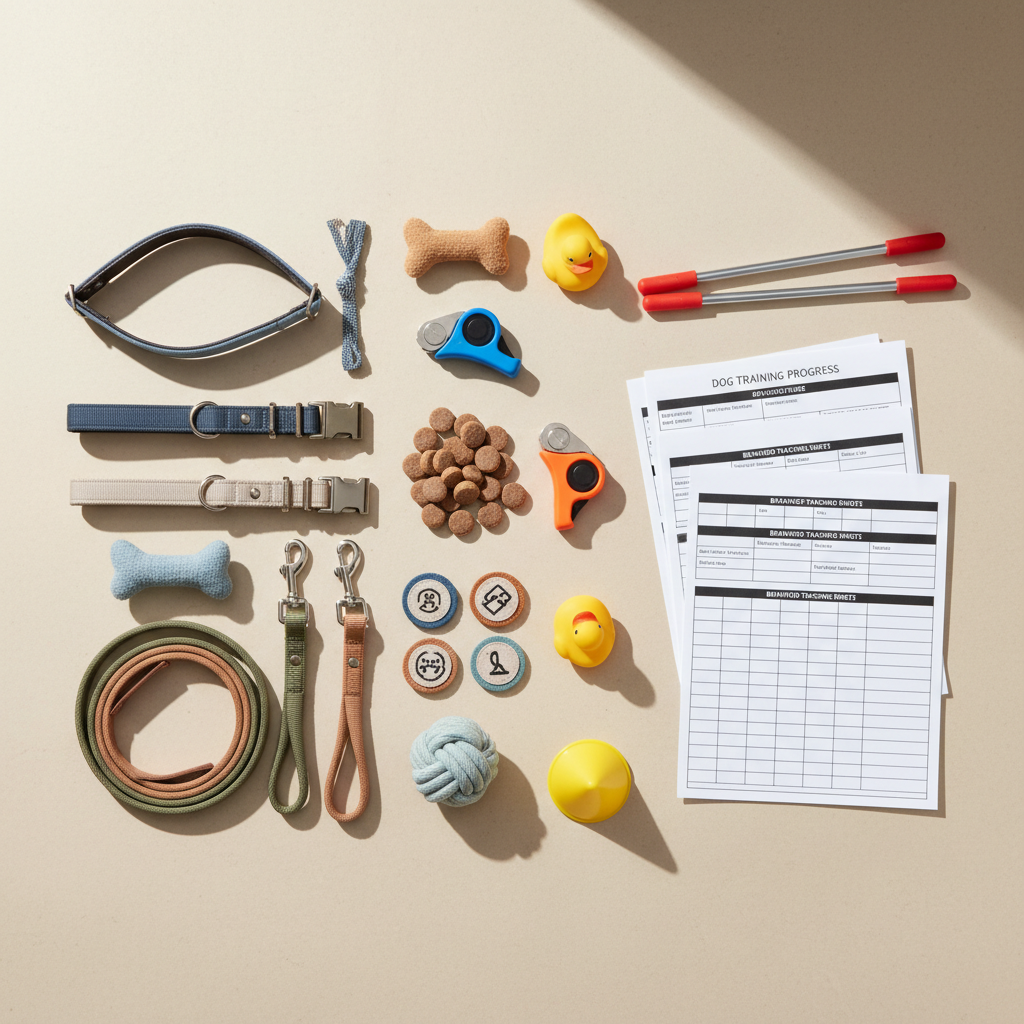
Sometimes, personalized training requires the expertise of a professional dog trainer. If you're facing challenges or need specialized guidance, don't hesitate to seek help. A professional can provide insights and techniques that you might not have considered.
Working with a trainer does not mean relinquishing control; rather, it's about enhancing the training experience for both you and your dog. Together, you can achieve a harmonious and fulfilling training journey.
Conclusion
Personalized dog training is about embracing your dog's uniqueness and crafting a plan that respects their individuality. By understanding their personality, setting realistic goals, and adapting to their needs, you can create a rewarding training experience that fosters growth and deepens your bond.
Remember, every dog is special, and with the right approach, training can be a joyful journey that both you and your dog enjoy together.