Raising a Confident Dog: Essential Life Skills Beyond Obedience


Understanding Confidence in Dogs
When we talk about raising a confident dog, many people initially think of obedience training. However, *confidence* in dogs goes beyond basic commands. It's about equipping your dog with the skills needed to navigate the world with assurance and poise.
Socialization: The Key to Confidence
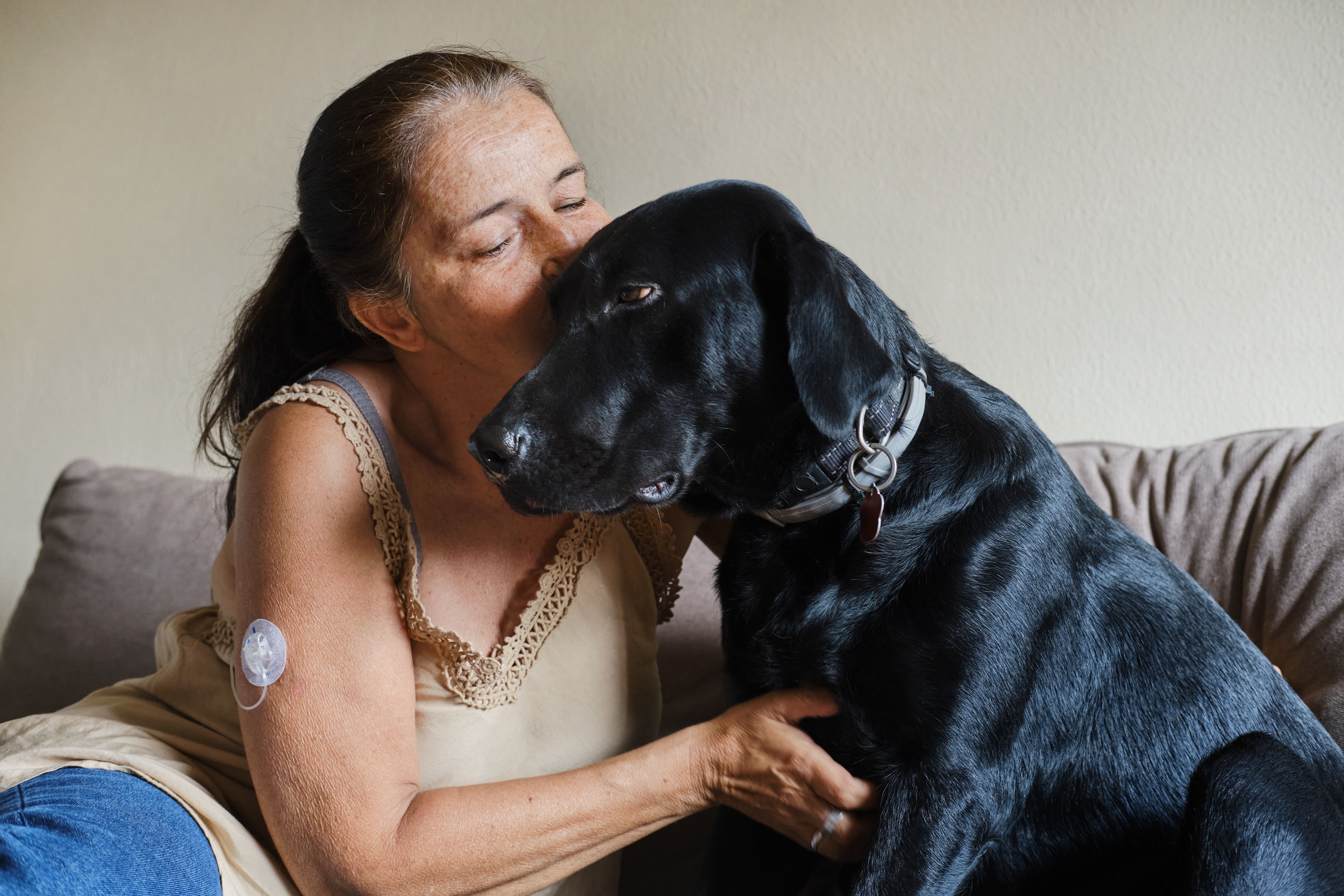
One of the most crucial aspects of raising a confident dog is proper socialization. This involves exposing your dog to a variety of people, environments, and other animals. Start this process early, ideally during the puppy stage, to help your dog feel secure in different situations.
Well-socialized dogs are less likely to react with fear or aggression. They learn to adapt to new situations with ease, making them more relaxed and confident companions.
Building Skills Through Positive Reinforcement
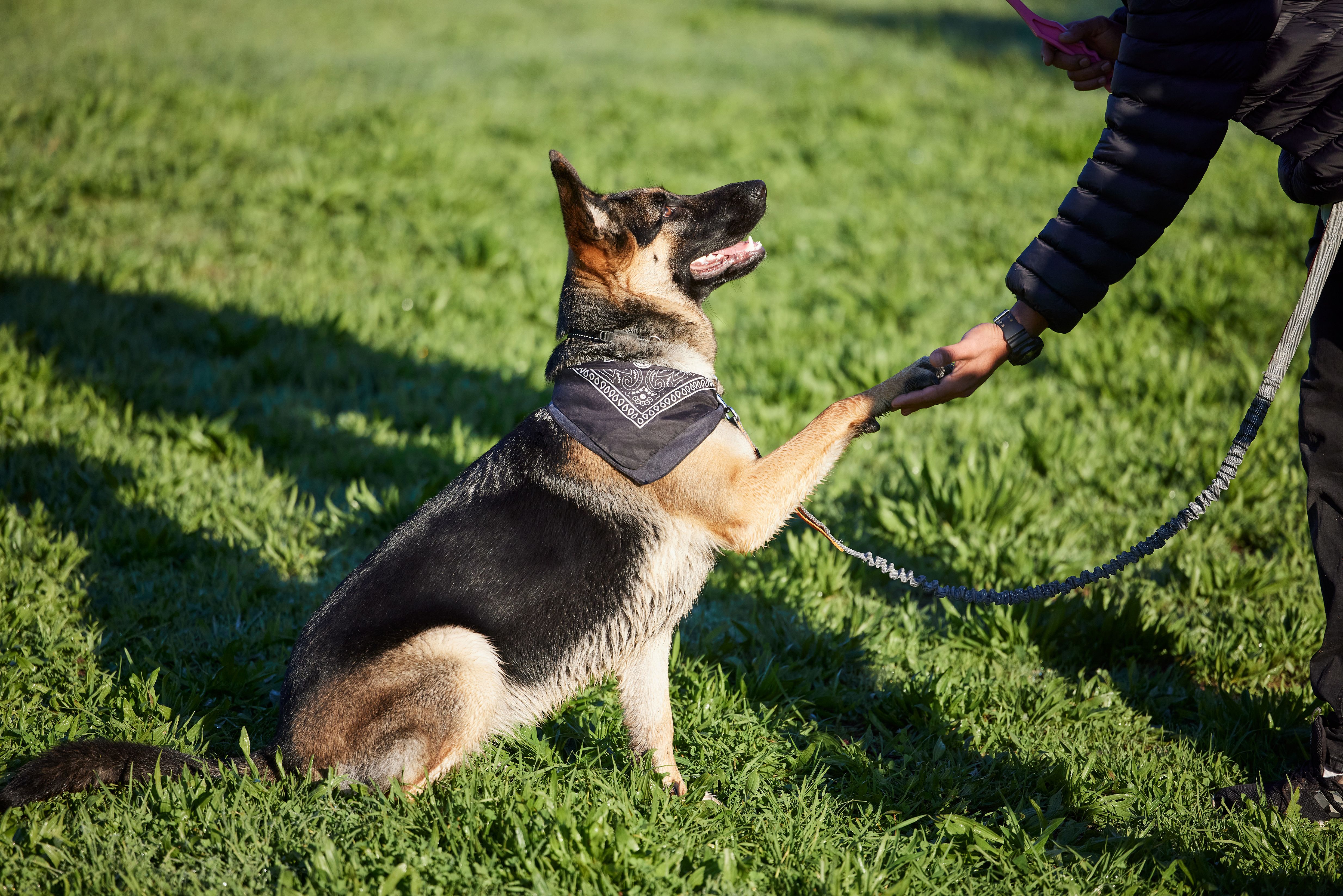
Positive reinforcement is an effective way to build your dog's confidence. Rewarding desired behaviors with treats, praise, or playtime encourages your dog to learn and explore. This approach not only teaches obedience but also enhances their problem-solving skills and creativity.
The Importance of Mental Stimulation
Just like humans, dogs need mental stimulation to stay sharp and confident. Engage your dog with puzzle toys, scent games, or interactive play. These activities challenge their minds and keep them engaged, reducing anxiety and boosting self-esteem.
Regular mental exercises can prevent boredom and destructive behavior, creating a more balanced and confident dog.
Physical Exercise and Confidence
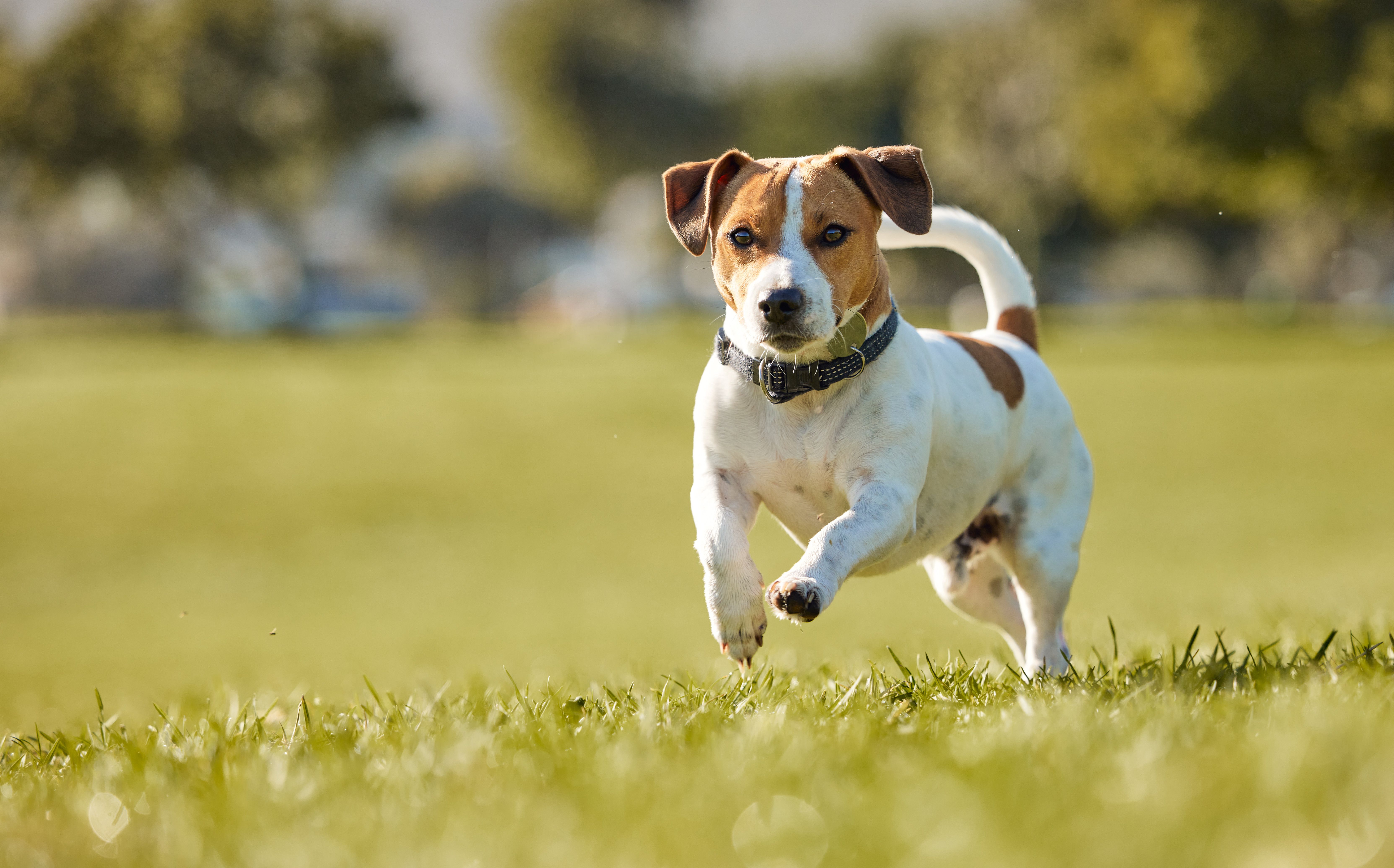
Physical activity is integral to a dog's confidence. Regular exercise keeps your dog healthy and happy, releasing pent-up energy that might otherwise turn into anxiety or aggression. Activities like walks, fetch, and agility training can strengthen your dog's physical and mental well-being.
Understanding and Respecting Boundaries
Every dog has its own comfort zones and boundaries. Respecting these is crucial for building trust and confidence. Pay attention to your dog's body language and signals to understand their needs better. This mutual respect fosters a strong, trusting relationship.
A dog that knows its boundaries are respected is more likely to explore and engage confidently in its environment.
Consistent Routine and Environment
A consistent routine and stable environment can greatly enhance your dog's sense of security. Regular feeding times, walks, and training sessions help your dog understand what to expect, reducing anxiety and uncertainty.
Building a Strong Human-Dog Bond
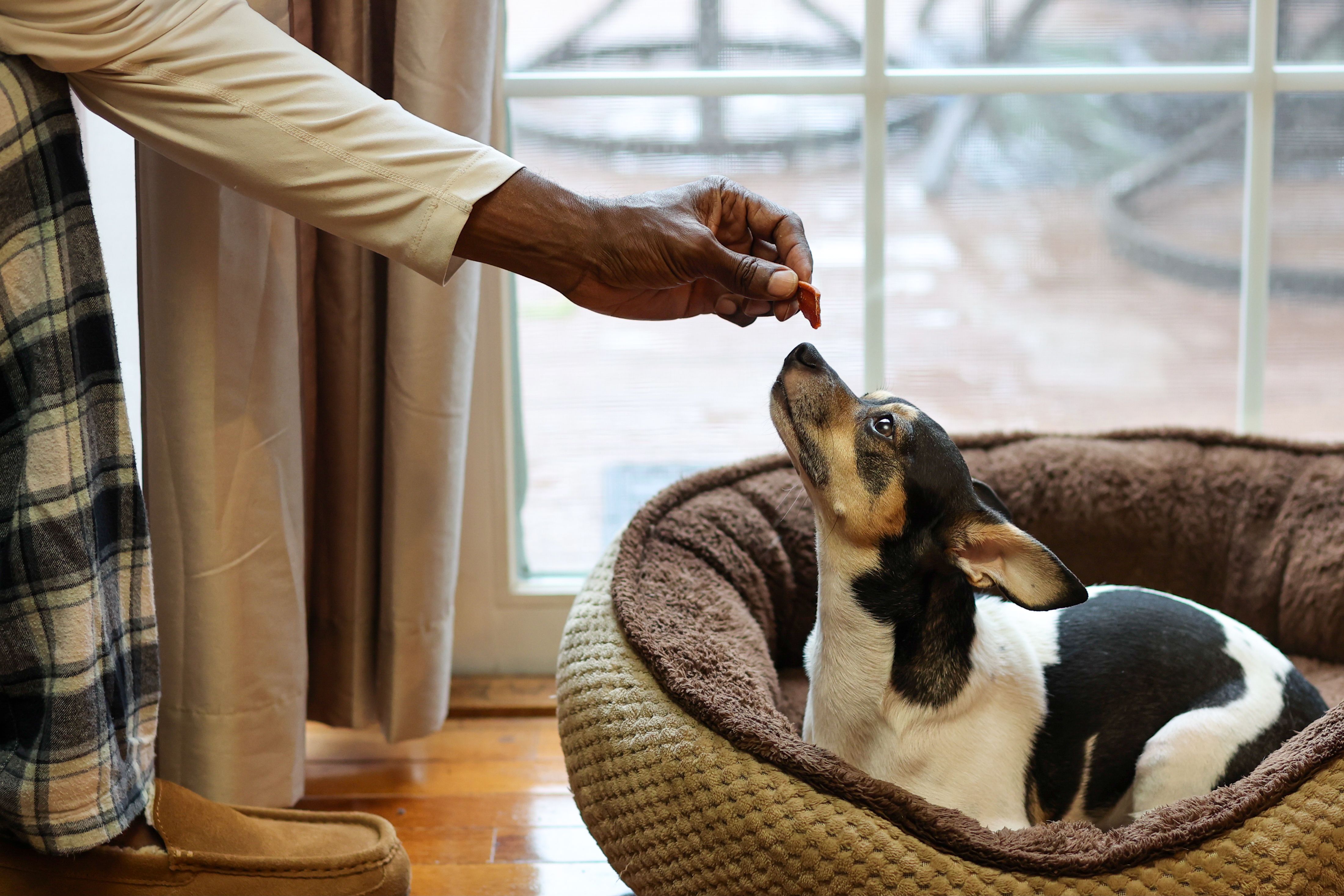
The bond between you and your dog is foundational to their confidence. Spend quality time together, whether through play, training, or simply being present. This connection provides emotional support and reassurance, helping your dog feel safe and valued.
Remember, a confident dog is a happy dog. By focusing on these essential skills and fostering a nurturing environment, you can raise not just an obedient pet, but a truly confident companion.