The Essential Guide to Raising Confident and Well-Mannered Dogs


Understanding Your Dog's Needs
Raising a confident and well-mannered dog begins with understanding your pet's unique needs. Dogs, much like humans, require a balance of exercise, mental stimulation, and social interaction to thrive. Knowing what your dog needs is the first step in ensuring they grow up to be happy and self-assured.
Every dog is different, with varying levels of energy, intelligence, and socialization needs. It's essential to tailor your approach based on your dog's unique characteristics. This helps in building a strong foundation for their development.
The Importance of Early Training
Training is a critical part of raising a well-mannered dog. Starting early ensures that good habits are formed while undesirable behaviors are minimized. Puppies are inherently curious and eager to learn, making it an ideal time to introduce basic commands and routines.
Focus on positive reinforcement techniques, rewarding your dog with treats, praise, or playtime when they display good behavior. Consistency and patience are key in reinforcing these lessons.
Basic Commands to Teach
- Sit – A fundamental command that helps in controlling your dog's behavior.
- Stay – Essential for safety in various environments.
- Come – Crucial for recall and keeping your dog close when needed.

Socialization: A Key Component
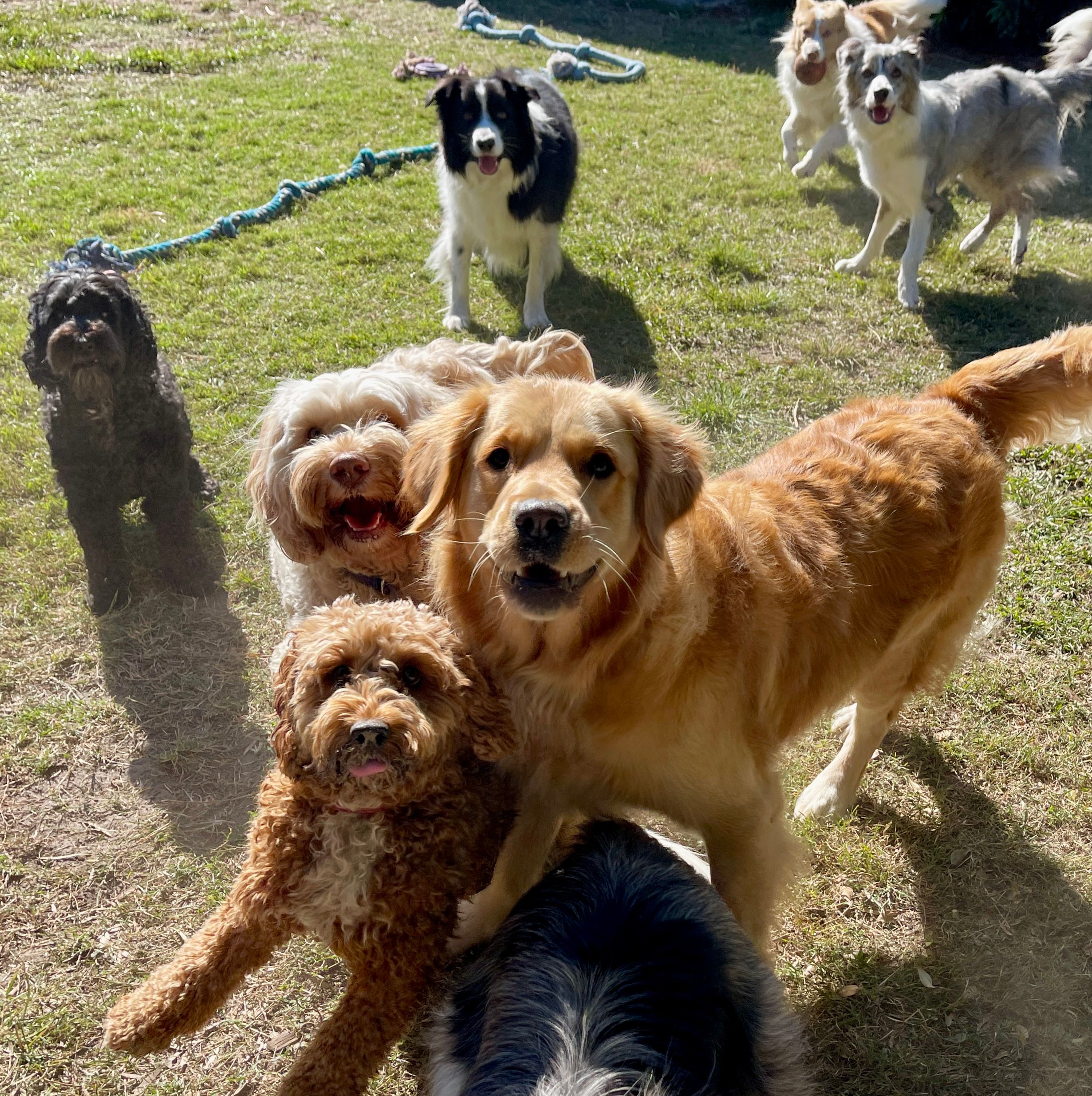
Socializing your dog is essential for building confidence and reducing fear or aggression. Exposing your dog to different environments, people, and other animals helps them become well-adjusted adults. It also reduces anxiety and improves their ability to handle new situations calmly.
Organize playdates with other dogs, take your pet on walks in diverse settings, and gradually introduce them to new experiences. This exposure is crucial for developing a balanced temperament.
Tips for Successful Socialization
- Start socialization early but proceed at your dog's pace.
- Introduce them to a variety of sounds, smells, and sights.
- Reward calm and non-aggressive behavior during interactions.
The Role of Exercise in Building Confidence
Regular exercise not only keeps your dog physically healthy but also boosts their confidence. Physical activities provide an outlet for excess energy and stress, contributing to better behavior. Exercise can range from simple walks to more engaging activities like agility training or fetch.
A tired dog is often a well-behaved dog. By providing ample opportunities for physical exertion, you reduce the likelihood of destructive behavior at home.
The Benefits of Mental Stimulation
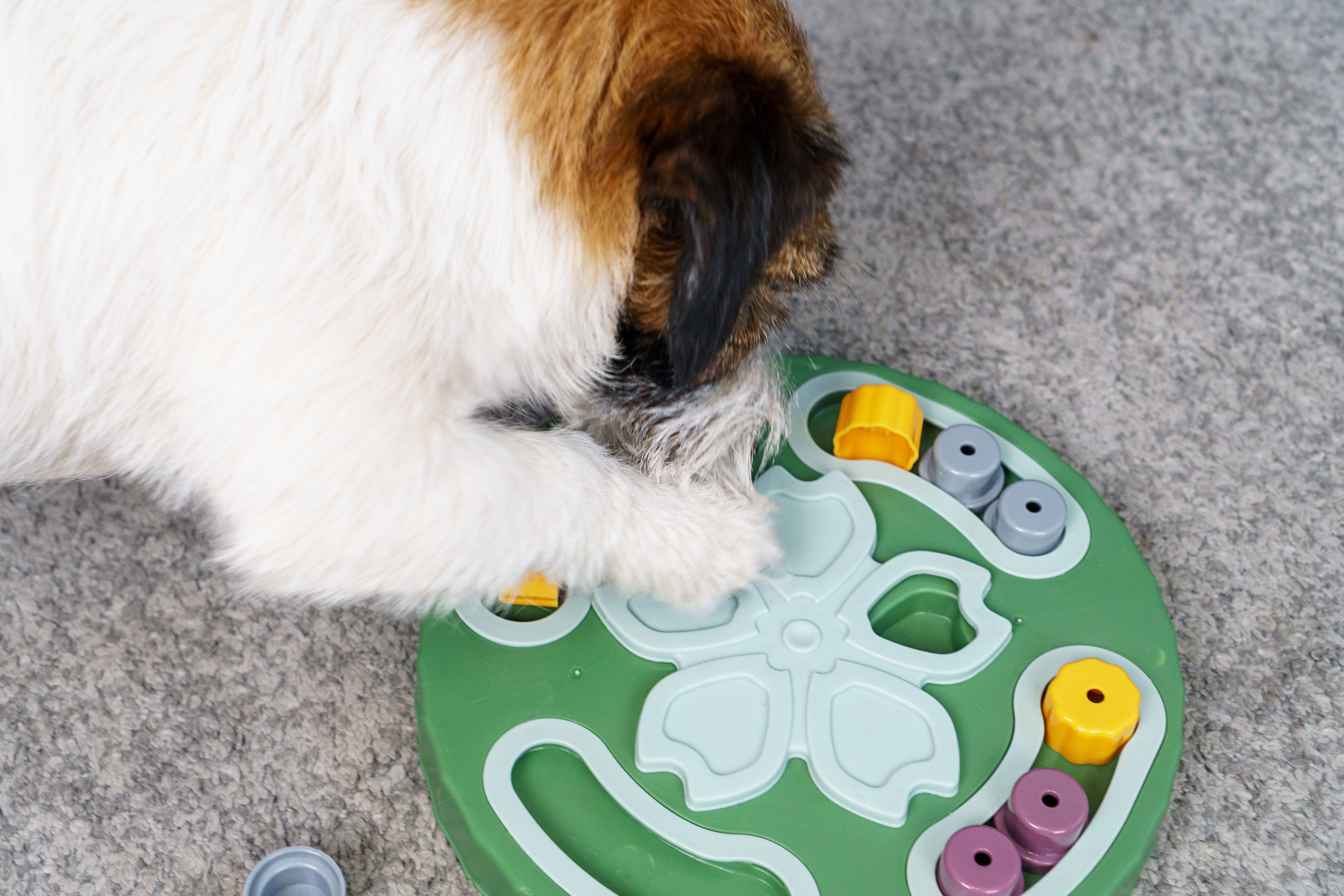
Mental stimulation is as important as physical exercise in raising a confident dog. Engaging your dog's mind through puzzle toys, training sessions, or new experiences keeps them sharp and interested. Mental engagement can reduce boredom-related behaviors such as barking or chewing.
Incorporate activities that challenge your dog's problem-solving skills or introduce new training exercises to keep their minds active.
Consistency and Routine
A consistent routine provides structure and stability for your dog. Dogs thrive on predictability, which helps alleviate anxiety and fosters good behavior. Establish regular feeding times, bathroom breaks, and play sessions to create a sense of security for your pet.
Ensure all family members are on the same page regarding rules and commands to prevent confusion and reinforce positive behaviors effectively.
The Power of Positive Reinforcement
Finally, positive reinforcement is one of the most effective ways to encourage good behavior in dogs. Celebrate small victories and make training a fun experience. By rewarding desired actions consistently, you build trust and strengthen the bond between you and your pet.
Remember that raising a confident and well-mannered dog takes time and patience, but the rewards are well worth the effort.