The Ultimate Guide to Personalized Dog Training for Active Lifestyles


Introduction to Personalized Dog Training
For dog owners with active lifestyles, finding the right balance between fitness and pet care can be challenging. Personalized dog training is an excellent way to ensure that both you and your furry friend stay healthy and happy. This guide will delve into the nuances of customized training plans that cater to the specific needs of energetic dogs.
Understanding Your Dog's Needs
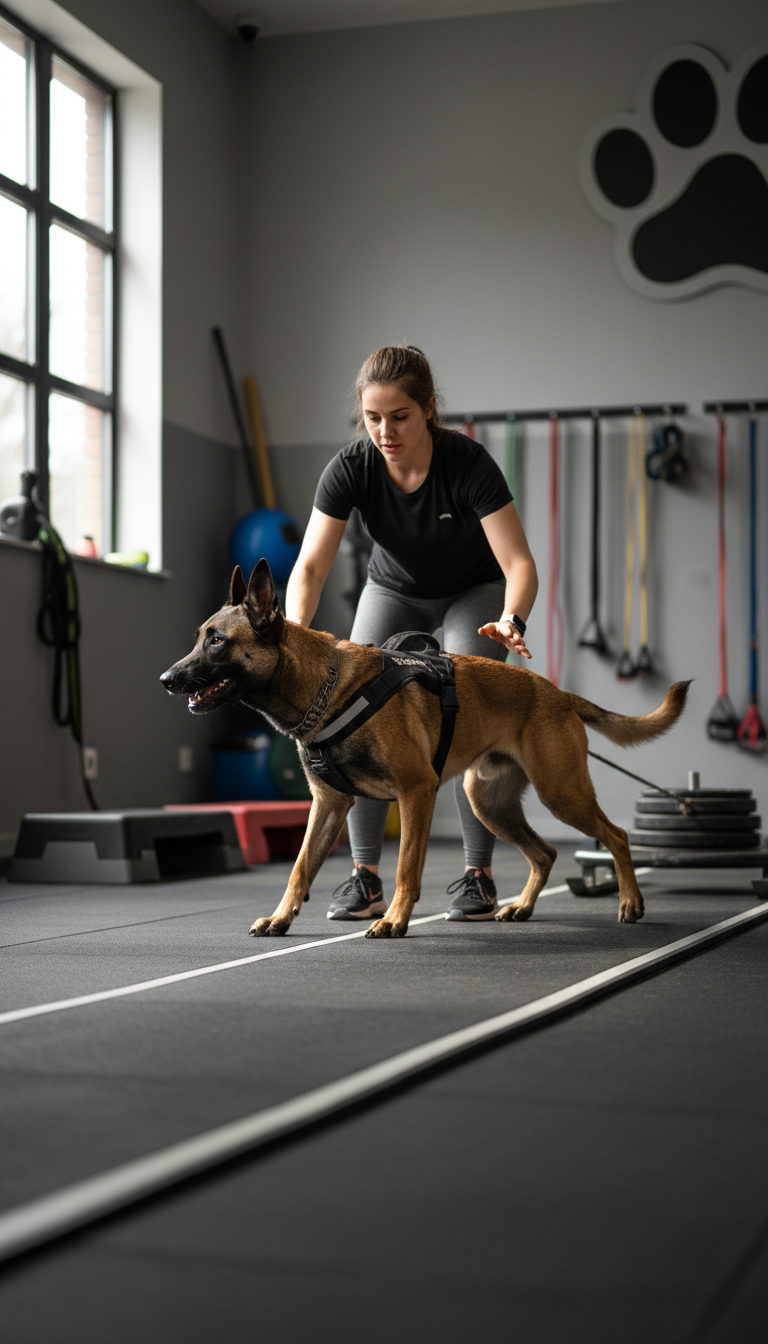
Every dog is unique, with distinct energy levels, temperaments, and learning capabilities. Understanding these characteristics is crucial for effective training. Take note of your dog's breed, age, and any specific behaviors to tailor a training regime that suits them best.
Assessing Energy Levels
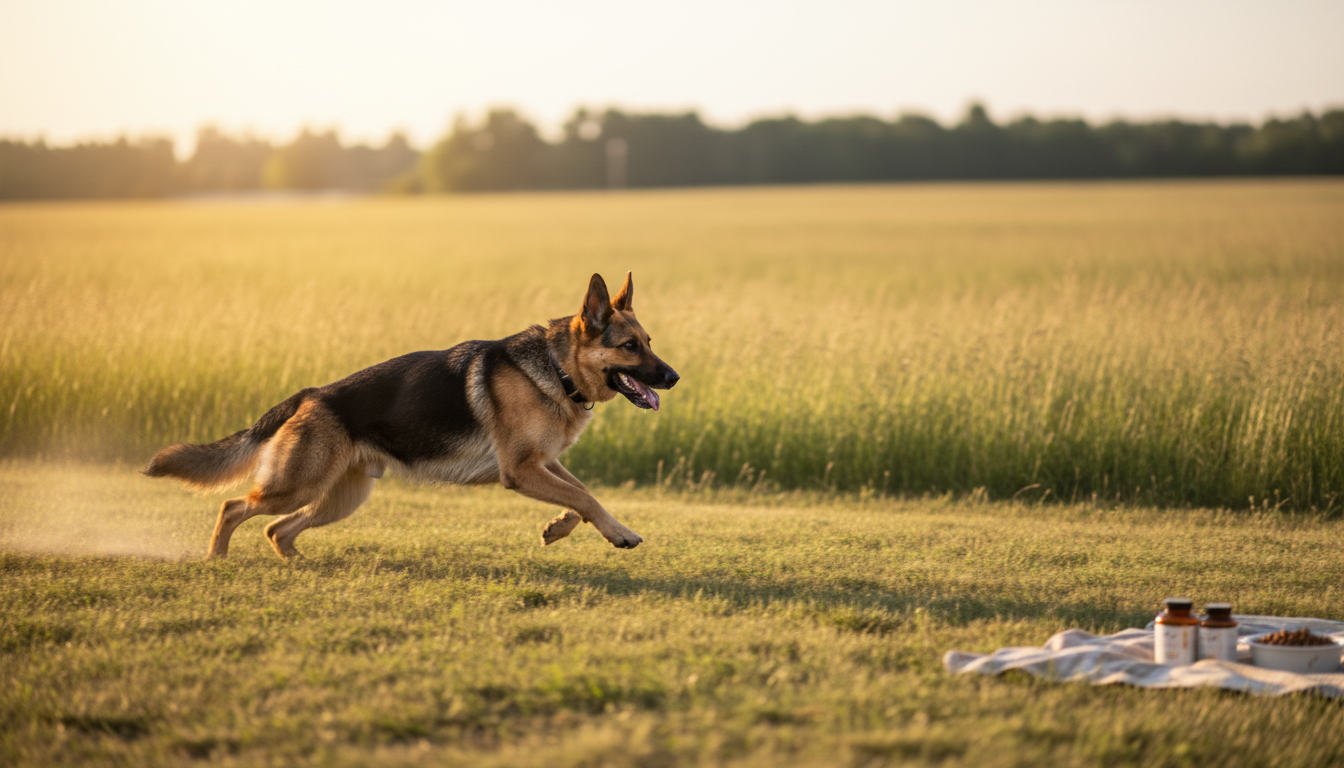
An important step in personalized training is assessing your dog's energy levels. Breeds like Border Collies and Australian Shepherds, for example, are naturally more energetic and require more intense workouts. Tailoring exercises to match their energy ensures they are both challenged and engaged.
Creating a Balanced Training Routine
A well-rounded training routine should incorporate physical exercise, mental stimulation, and socialization. Striking this balance not only keeps your dog physically fit but also mentally sharp and well-behaved.
Incorporating Physical Exercise
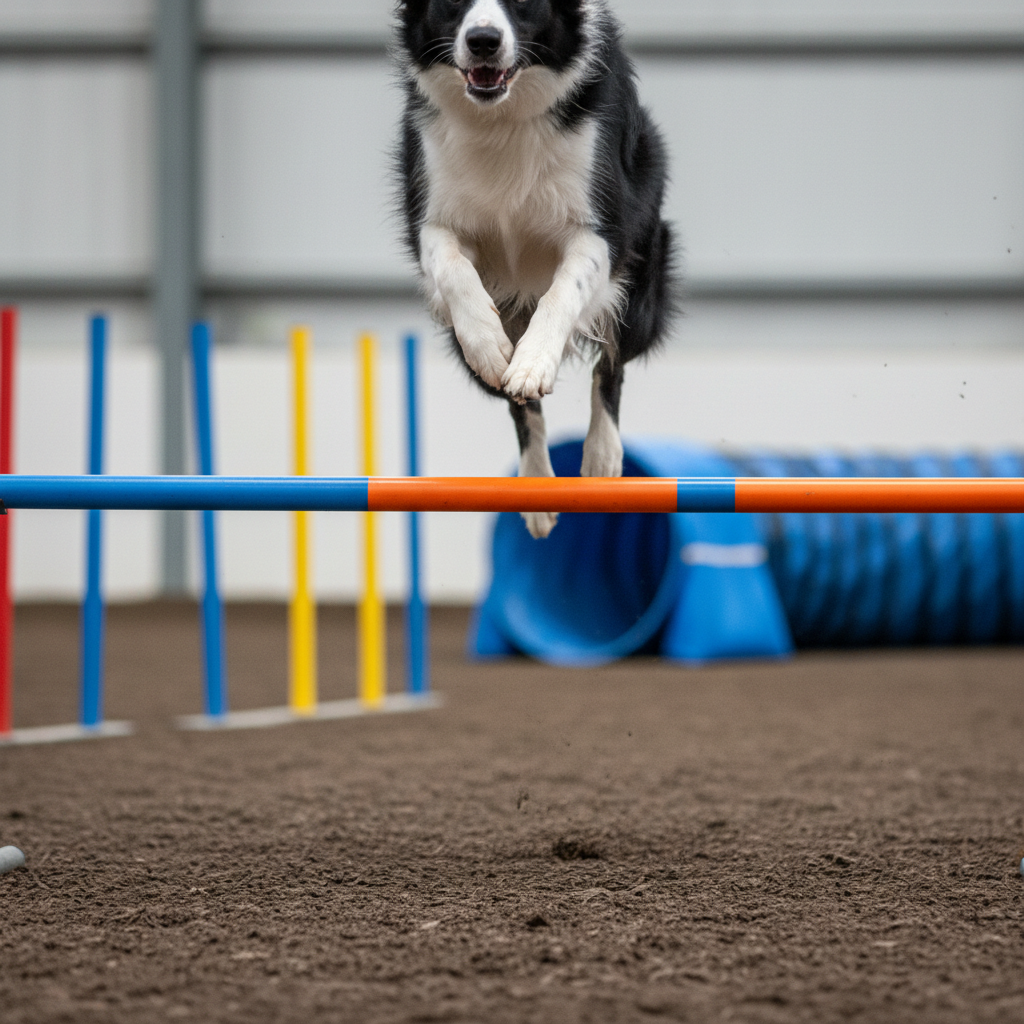
Physical exercise is key for active dogs. Consider activities like running, hiking, or agility training to keep your dog physically engaged. These activities not only burn off excess energy but also strengthen the bond between you and your pet.
Mental Stimulation and Socialization
In addition to physical exercise, mental stimulation is critical. Puzzle toys, scent games, and obedience training can keep your dog's mind active. These activities challenge their problem-solving skills and prevent boredom.
Importance of Socialization
Socialization is another crucial aspect of a personalized training plan. Regular interaction with other dogs and people can improve your pet's social skills and reduce anxiety or aggression. Consider enrolling in group training sessions or organizing playdates with other dogs.
Tracking Progress and Adjusting Plans
Monitoring your dog's progress is essential to ensure that the training plan remains effective. Take note of improvements and any ongoing challenges, and be prepared to adjust the routine as needed. This flexibility will help you maintain a training program that continues to meet your dog's evolving needs.
Celebrating Success
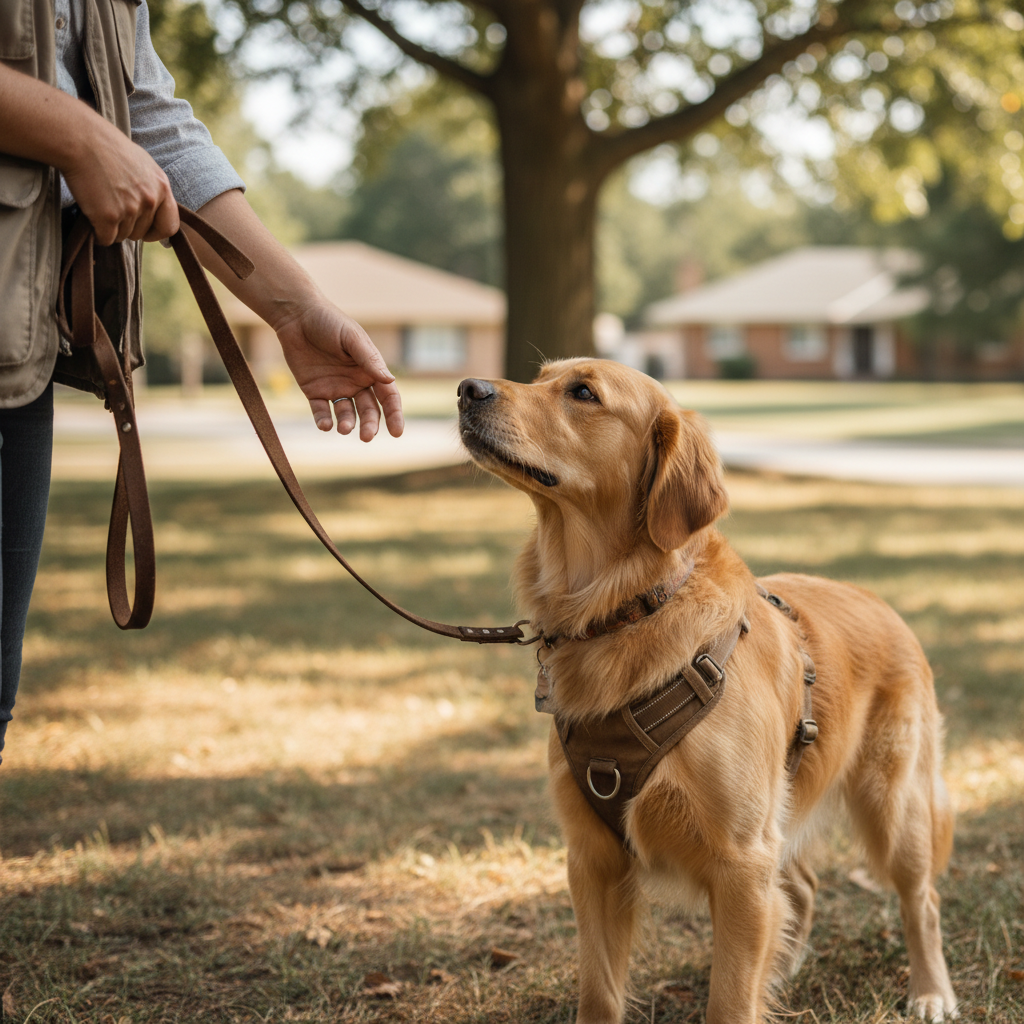
Remember to celebrate your dog's achievements, no matter how small. Positive reinforcement is a powerful tool in training. Reward your dog with treats, praise, and playtime to reinforce good behavior and motivate them to continue excelling.
By following these guidelines, you can create a personalized dog training plan that complements your active lifestyle, ensuring a healthier, happier life for both you and your pet.